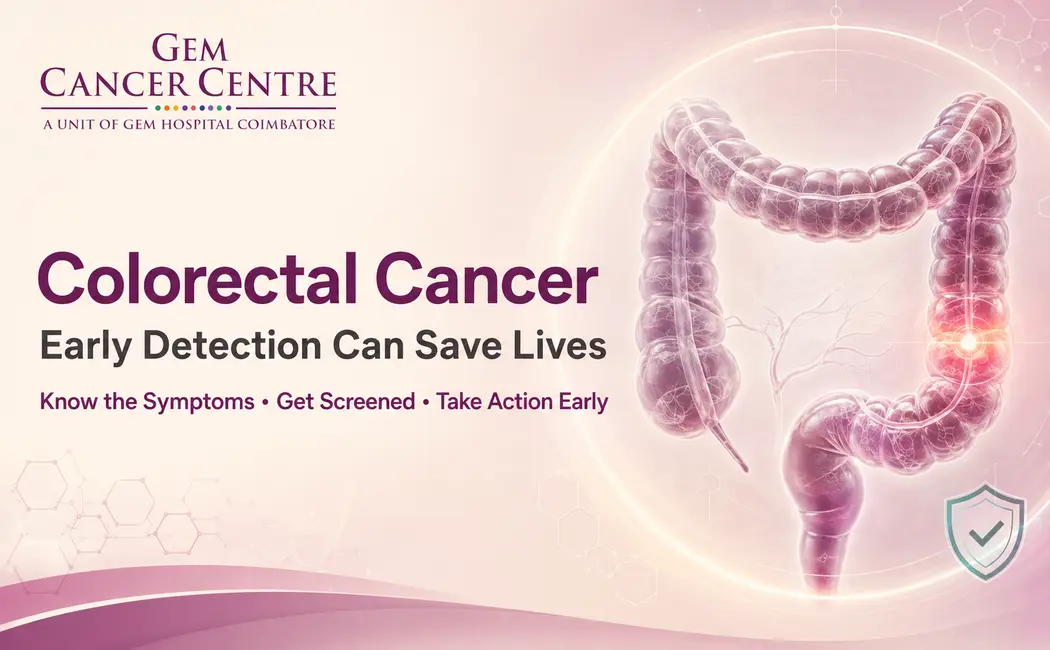
Colorectal cancer is one of the most common cancers affecting the large intestine and rectum. While the diagnosis can feel overwhelming, the good news is that colorectal cancer is highly treatable when detected early.
Awareness, regular screening, and timely medical consultation play a major role in improving treatment outcomes. Many cases can be managed successfully when the disease is identified before it spreads.
However, colorectal cancer can remain silent for years, making preventive screening extremely important even when symptoms are not present.
Understanding the risk factors, warning signs, and available treatment options can help individuals take the right steps at the right time.
What is colorectal cancer?
Colorectal cancer starts in the large intestine
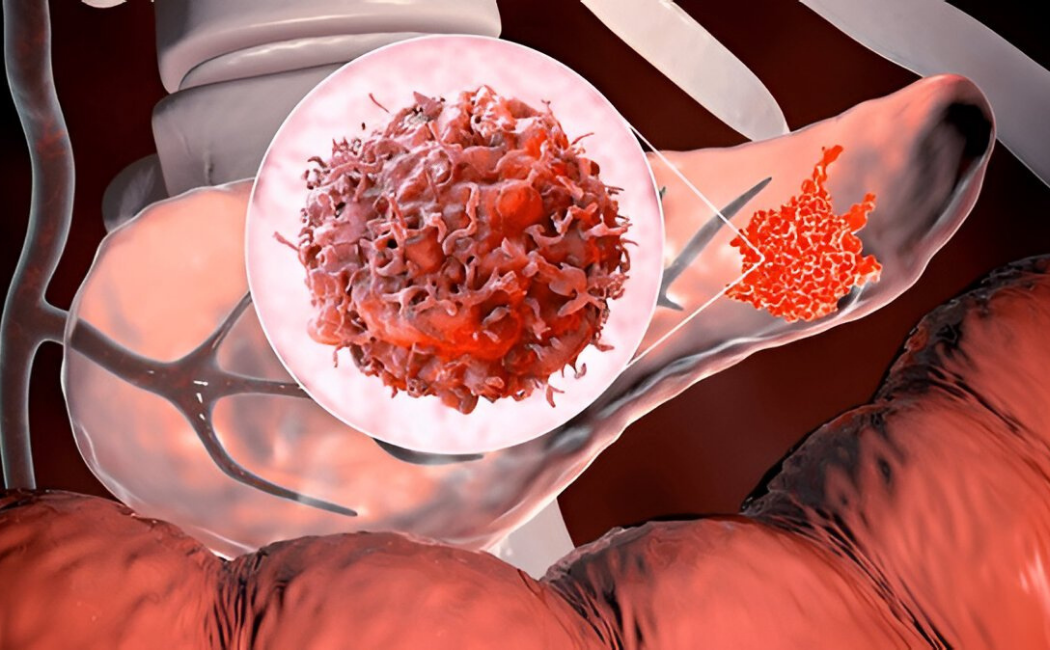
Colorectal cancer develops when abnormal cells grow uncontrollably in the colon or rectum. In many cases, it begins as small growths called polyps, which may slowly develop into cancer over time.
Regular screening helps doctors identify and remove certain polyps before they become cancerous.
Who is at higher risk of colorectal cancer?
Risk increases with age and lifestyle factors
Several factors can increase the risk of developing colorectal cancer.
Important risk factors include:
- Age above 45–50 years
- Family history of colorectal cancer
- Previous colon polyps
- Low-fibre diet
- Regular consumption of processed or red meat
- Smoking
- Heavy alcohol consumption
- Obesity
- Lack of physical activity
- Inflammatory bowel diseases such as Crohn’s disease or ulcerative colitis
People with inherited cancer syndromes or strong family history may require earlier screening.
What are the symptoms of colorectal cancer?
Symptoms may appear slowly over time
Colorectal cancer can remain unnoticed in the early stages. However, certain changes should not be ignored.
Warning signs include:
- Blood in stool
- Persistent constipation or diarrhoea
- Sudden changes in bowel habits
- Repeated abdominal pain or discomfort
- Unexplained weight loss
- Persistent tiredness or weakness
- Feeling that the bowel is not completely empty
These symptoms do not always mean cancer, but they should be evaluated by a doctor instead of self-treatment.
Can colorectal cancer be detected early?
Yes, screening helps detect it early
Early detection gives doctors a better opportunity to treat colorectal cancer effectively.
When found at an early stage, treatment is often more successful, and the chances of complete recovery are significantly higher.
This is why preventive screening is recommended even for people without symptoms.
Why is colorectal cancer screening important?
Screening can prevent and detect cancer
Screening helps identify colorectal cancer at an early stage and can also detect precancerous changes.
Common screening methods include:
Stool Tests
Tests such as the Faecal Immunochemical Test (FIT) can detect hidden blood in stool.
Colonoscopy
Colonoscopy is considered one of the most effective screening methods. It allows doctors to examine the entire colon and remove certain polyps during the same procedure.
Advanced Stool DNA Tests
Newer DNA-based stool tests are also being developed to improve early detection.
Who should undergo colorectal cancer screening?
Most adults need regular screening
For average-risk individuals, screening is generally recommended from around age 45–50 depending on medical guidance.
People with:
- Family history of colorectal cancer
- Previous polyps
- Inflammatory bowel disease
- Genetic risk factors
may need screening earlier.
A specialist can recommend the right screening schedule based on individual risk.
What are the treatment options for colorectal cancer?
Treatment depends on cancer stage
Modern colorectal cancer treatment is personalized based on the location, stage, and overall health of the patient.
Treatment options may include:
Surgery
Surgery remains the main treatment for many early-stage colorectal cancers. Minimally invasive approaches, including laparoscopic and robotic surgery, may help improve recovery.
Chemotherapy
Chemotherapy uses medicines to destroy cancer cells and may be recommended before or after surgery.
Radiation Therapy
Radiation therapy may be used, especially for certain rectal cancers.
Targeted Therapy and Immunotherapy
Advanced treatments may be considered based on tumour characteristics and individual patient needs.
A multidisciplinary cancer team helps determine the most suitable treatment approach.
Can colorectal cancer be prevented?
Healthy habits reduce cancer risk
While not all cases can be prevented, lifestyle changes can significantly reduce risk.
Steps that support colorectal health include:
- Eating more fibre through fruits, vegetables, and whole grains
- Reducing processed and red meat intake
- Exercising regularly
- Maintaining healthy weight
- Avoiding tobacco
- Limiting alcohol consumption
- Managing diabetes effectively
Small daily habits can create long-term health benefits.
When should you consult a specialist?
Persistent symptoms need medical attention
You should consult a doctor if you experience:
- Blood in stool
- Long-lasting bowel changes
- Unexplained weight loss
- Continuous abdominal discomfort
- Family history of colorectal cancer
Early consultation helps doctors identify the cause and recommend appropriate evaluation.
FAQs
What is colorectal cancer?
Colorectal cancer is a cancer that develops in the colon or rectum, which are parts of the digestive system. It usually begins with abnormal growths called polyps that may become cancerous over time.
What are the early signs of colorectal cancer?
Early symptoms may include changes in bowel habits, blood in stool, abdominal discomfort, unexplained weight loss, and persistent tiredness. Some people may have no symptoms initially, which is why screening is important.
Can colorectal cancer be prevented?
Colorectal cancer risk can be reduced through healthy lifestyle habits, regular screening, maintaining healthy weight, exercising, and avoiding tobacco and excessive alcohol consumption.
At what age should colorectal cancer screening begin?
Most average-risk adults are advised to begin screening around age 45–50. People with family history or higher risk factors may need earlier screening based on doctor recommendations.
Is colorectal cancer treatable?
Yes, colorectal cancer can often be treated successfully, especially when detected early. Treatment options may include surgery, chemotherapy, radiation therapy, targeted therapy, or immunotherapy depending on the condition.
Final Note
Colorectal cancer is preventable, detectable, and treatable when awareness and timely action come together.
Regular screening, recognising warning signs, and consulting a specialist early can make a significant difference in outcomes.
Taking preventive steps today can help protect your health for tomorrow.