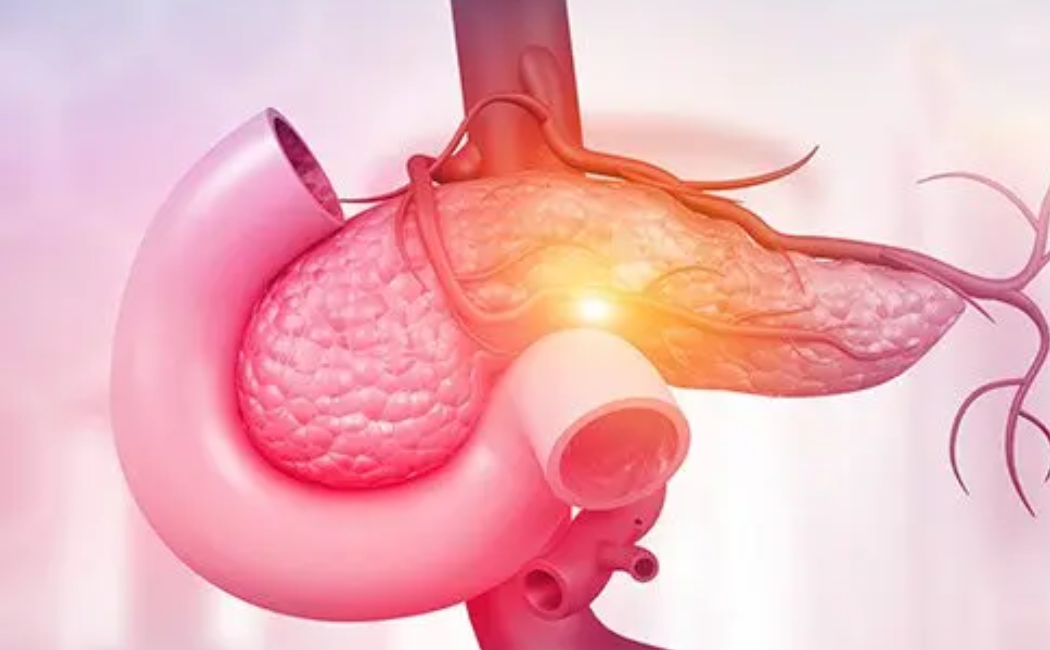
The pancreas plays an important role in maintaining overall health by supporting digestion and regulating blood sugar levels. Located deep inside the abdomen, this small but vital organ produces digestive enzymes and hormones such as insulin that help the body function normally.
Because the pancreas is located deep within the body, problems affecting it may not always show clear symptoms in the beginning. Many early signs can appear similar to common digestive issues, causing people to delay medical evaluation.
However, understanding changes related to pancreas health can help identify when professional advice is needed.
Conditions affecting the pancreas can range from inflammation and digestive problems to more serious concerns such as pancreatic cancer. Recognising warning signs early and seeking timely medical guidance can support better outcomes.
For individuals looking for information about Pancreatic Cancer in Coimbatore, understanding symptoms, risk factors, diagnosis, and treatment options can help make informed healthcare decisions.
At GEM Cancer Centre, specialists provide comprehensive cancer evaluation, advanced diagnostic support, and personalised treatment planning based on each patient's condition.
What does the pancreas do in the body?
The pancreas supports digestion and blood sugar control
The pancreas performs two major functions:
Digestive Function
The pancreas produces enzymes that help break down proteins, fats, and carbohydrates from food.
Hormonal Function
The pancreas produces hormones such as insulin and glucagon that regulate blood sugar levels.
When the pancreas is affected by disease or damage, these functions can become disturbed, leading to different symptoms.
What are the first signs of pancreas damage?
Early symptoms may be mild and easy to miss
Pancreatic problems may not always cause severe symptoms initially. The early warning signs can often be mistaken for common stomach or digestive issues.
Some possible signs include:
- Persistent upper abdominal discomfort
- Pain that spreads to the back
- Indigestion or bloating
- Loss of appetite
- Unexplained weight loss
- Nausea or vomiting
- Changes in bowel habits
- Increased tiredness or weakness
These symptoms do not always mean pancreatic cancer, but persistent symptoms should be evaluated by a healthcare professional.
Can pancreas problems affect digestion?
Yes, pancreatic issues can disturb digestion
The pancreas produces enzymes needed for proper digestion. When pancreatic function is affected, the body may have difficulty breaking down nutrients.
Digestive symptoms may include:
- Frequent bloating
- Indigestion
- Changes in stool appearance
- Oily or greasy stools
- Feeling full quickly after eating
- Reduced appetite
If these symptoms continue for a long period, medical evaluation can help identify the underlying cause.
What are the warning signs of pancreatic cancer?
Symptoms often appear gradually over time
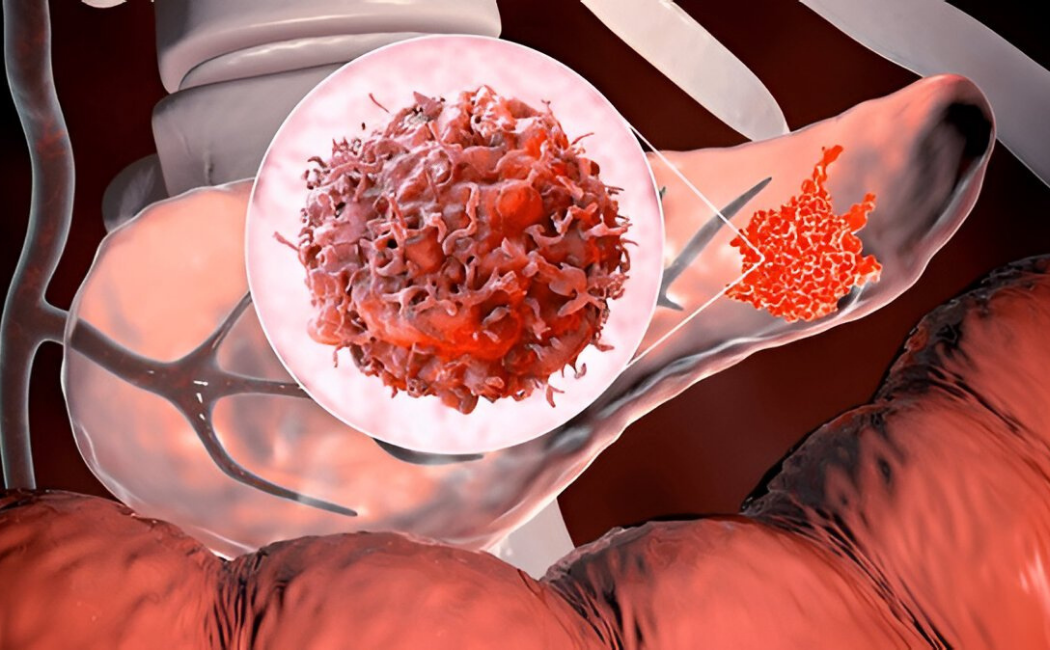
Pancreatic cancer can be difficult to detect early because initial symptoms may be subtle.
Common pancreatic cancer symptoms include:
Persistent Abdominal Pain
Pain in the upper abdomen that may extend towards the back can be an important warning sign.
Unexplained Weight Loss
Losing weight without changes in diet or lifestyle should be evaluated.
Jaundice
Yellowing of the eyes or skin may occur when a tumour affects bile flow.
Digestive Changes
Changes in digestion, appetite, or bowel habits may occur.
New-Onset Diabetes
Sudden diabetes development, especially in older adults without obvious risk factors, may require evaluation.
Continuous Fatigue
Persistent weakness or tiredness can occur due to changes caused by cancer.
Can pancreatic cancer develop without symptoms?
Yes, early stages may have few symptoms
One of the challenges with pancreatic cancer is that it may remain unnoticed during the early stages.
The pancreas is located deep inside the abdomen, and small tumours may not cause obvious changes immediately.
This is why people with risk factors or persistent symptoms should not delay medical consultation.
Early evaluation can help doctors identify the cause of symptoms and recommend appropriate tests.
What increases the risk of pancreatic cancer?
Certain lifestyle and health factors increase risk
Several factors may increase the likelihood of developing pancreatic cancer.
These include:
Tobacco Use
Smoking and chewing tobacco expose the body to harmful chemicals linked with increased cancer risk.
Family History
People with close relatives affected by pancreatic cancer may have a higher risk.
Chronic Pancreatitis
Long-term inflammation of the pancreas can increase risk.
Diabetes
Long-standing diabetes may be associated with increased pancreatic cancer risk.
Obesity
Excess body weight can contribute to several health conditions, including cancer risk.
Increasing Age
Risk generally increases as people grow older.
Understanding personal risk factors can help individuals discuss preventive measures with their doctors.
When should you consult a doctor for pancreas symptoms?
Persistent symptoms require medical evaluation
You should seek medical advice if you experience:
- Persistent abdominal pain
- Unexplained weight loss
- Yellowing of eyes or skin
- Long-lasting digestive problems
- Sudden changes in blood sugar levels
- Loss of appetite without explanation
Early consultation does not always mean cancer is present. It helps doctors identify the actual cause and provide appropriate guidance.
How is pancreatic cancer diagnosed?
Diagnosis uses imaging and specialised tests
Doctors use multiple investigations to diagnose pancreatic conditions and determine whether cancer is present.
Diagnostic methods may include:
Blood Tests
Blood tests may help evaluate organ function and identify certain tumour markers.
CA 19-9 Tumour Marker Test
CA 19-9 may provide additional information, but it cannot confirm pancreatic cancer on its own.
Ultrasound
An abdominal ultrasound may help identify abnormalities.
CT Scan and MRI
These imaging tests provide detailed views of the pancreas and surrounding structures.
Endoscopic Ultrasound (EUS)
EUS provides detailed imaging and may help doctors collect tissue samples when required.
Biopsy
A biopsy helps confirm the presence of cancer cells.
Accurate diagnosis helps specialists understand the stage of disease and plan suitable treatment.
Why is early diagnosis important in pancreatic cancer?
Early evaluation supports better treatment planning
Pancreatic cancer is often challenging because many cases are detected after symptoms become noticeable.
Early diagnosis helps doctors:
- Understand cancer stage
- Identify available treatment options
- Plan personalised care
- Manage symptoms effectively
For patients searching for Pancreatic Cancer in Coimbatore, consulting specialists at the right time can help ensure proper evaluation and treatment planning.
What are the treatment options for pancreatic cancer?
Treatment depends on cancer stage and health
Pancreatic cancer treatment is personalised based on tumour location, stage, and the patient's overall health.
Treatment options may include:
Surgery
For selected patients with early-stage pancreatic cancer, surgery may be considered to remove the tumour.
Chemotherapy
Chemotherapy uses medicines to destroy cancer cells or slow disease progression.
Radiation Therapy
Radiation therapy uses targeted radiation to control cancer cells in specific situations.
Targeted Therapy and Immunotherapy
Some patients may benefit from advanced treatment approaches depending on tumour characteristics.
At GEM Cancer Centre, specialists evaluate each patient individually to create an appropriate treatment approach.
Can lifestyle changes support pancreas health?
Healthy habits help reduce health risks
While lifestyle changes cannot completely prevent pancreatic diseases, they can support overall health.
Important habits include:
- Avoiding tobacco products
- Maintaining healthy body weight
- Exercising regularly
- Eating a balanced diet
- Managing diabetes effectively
- Limiting alcohol consumption
Preventive healthcare and regular medical check-ups are important, especially for people with higher risk factors.
Why choose specialist cancer care for pancreatic conditions?
Expert teams support accurate treatment decisions
Pancreatic conditions often require evaluation from multiple specialists.
A multidisciplinary cancer team may include:
- Medical oncologists
- Surgical oncologists
- Radiation oncologists
- Radiologists
- Pathologists
- Supportive care specialists
This approach helps doctors combine diagnostic findings and develop a personalised treatment plan.
GEM Cancer Centre provides comprehensive oncology care with advanced diagnostics and specialist-led treatment planning for patients requiring evaluation for Pancreatic Cancer in Coimbatore.
FAQs
What are the first signs of pancreas damage?
The first signs may include abdominal discomfort, digestive problems, appetite changes, unexplained weight loss, and fatigue. Since these symptoms can occur in many conditions, persistent changes should be evaluated by a doctor.
Does pancreas pain always mean cancer?
No. Pancreatic pain can occur due to several conditions, including inflammation, digestive problems, or other pancreatic disorders. Medical evaluation is needed to identify the exact cause.
What are the early symptoms of pancreatic cancer?
Early pancreatic cancer symptoms may include mild abdominal discomfort, appetite loss, digestive changes, unexplained weight loss, and fatigue. Some patients may have very few symptoms initially.
Who is at higher risk of pancreatic cancer?
People with tobacco use, family history of pancreatic cancer, chronic pancreatitis, diabetes, obesity, and increasing age may have higher risk factors.
How is pancreatic cancer diagnosed?
Doctors may use blood tests, imaging tests such as CT and MRI scans, endoscopic ultrasound, and biopsy procedures to confirm diagnosis and understand the stage of cancer.
Is pancreatic cancer treatable?
Treatment depends on the stage and condition of the patient. Options may include surgery, chemotherapy, radiation therapy, targeted therapy, and other advanced treatments based on individual needs.
Where can I get evaluation for Pancreatic Cancer in Coimbatore?
Patients seeking expert evaluation for Pancreatic Cancer in Coimbatore can consult GEM Cancer Centre for advanced diagnosis, specialist guidance, and personalised cancer care.
Final Note
The pancreas plays an essential role in digestion and blood sugar regulation. Paying attention to unusual symptoms and seeking timely medical advice can help identify problems early.
Not every pancreas-related symptom indicates cancer, but persistent warning signs should never be ignored.
For expert guidance regarding Pancreatic Cancer in Coimbatore, GEM Cancer Centre provides comprehensive cancer evaluation, advanced diagnostic support, and personalised treatment approaches through a multidisciplinary oncology team.