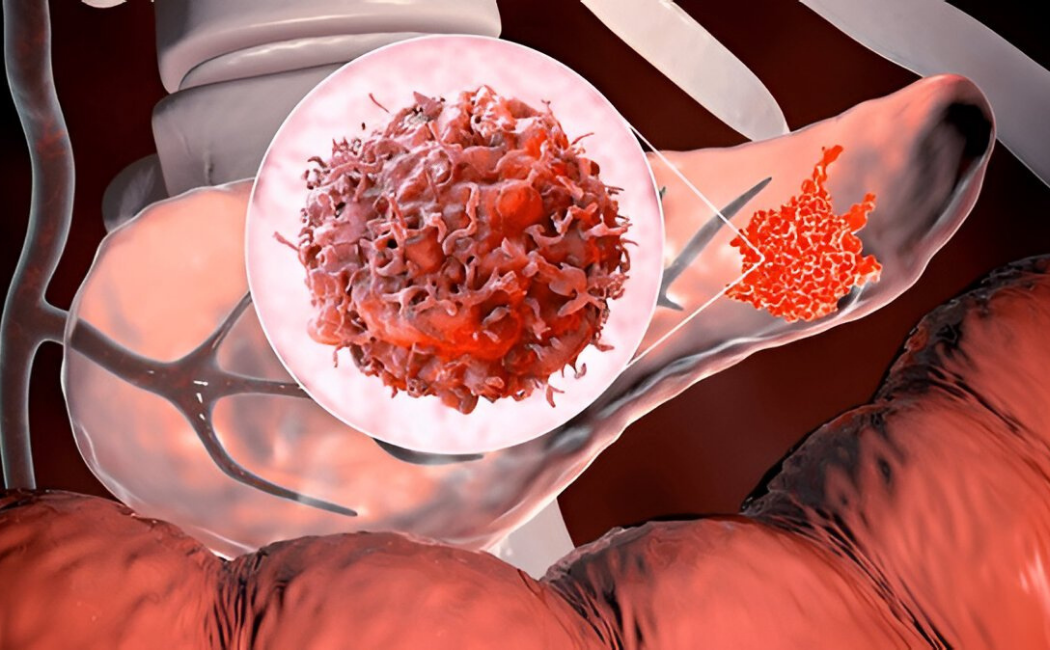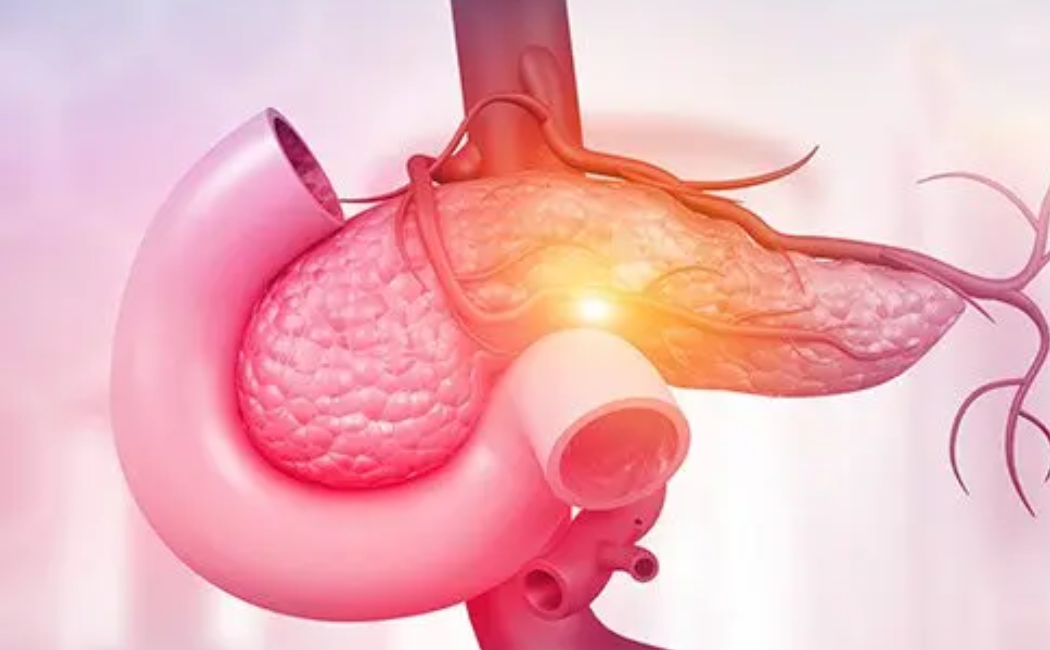
Chemotherapy is an important part of cancer treatment that helps destroy cancer cells and control disease progression. However, during treatment, many patients experience changes in appetite, taste, digestion, and energy levels.
Maintaining proper nutrition during chemotherapy can help the body manage treatment demands, support strength, and improve overall wellbeing. While food cannot cure cancer, a balanced diet plays an important role in helping patients stay stronger throughout their treatment journey.
Every patient’s nutritional needs are different depending on the type of cancer, treatment plan, side effects, and overall health condition.
For patients undergoing Cancer Treatment in Coimbatore, working with the medical team and following personalised nutrition guidance can help manage treatment-related challenges.
At GEM Cancer Centre, cancer care involves a multidisciplinary approach where doctors, nutrition experts, and supportive care teams work together to support patients throughout treatment.
Why is nutrition important during chemotherapy?
Good nutrition supports strength during treatment
Chemotherapy can affect the body in different ways. Some patients may experience reduced appetite, nausea, taste changes, mouth sores, or tiredness.
Proper nutrition can help patients:
- Maintain energy levels
- Preserve muscle strength
- Support immune function
- Recover better after treatment sessions
- Manage certain treatment-related side effects
The goal during chemotherapy is not strict dieting but ensuring the body receives enough calories, protein, vitamins, and fluids.
What nutrients does the body need during chemotherapy?
Protein and calories help maintain body strength
During chemotherapy, the body may need additional support to repair tissues and maintain energy.
Important nutrients include:
Protein
Protein helps maintain muscles and supports healing.
Protein-rich foods may include:
- Eggs
- Fish or lean meat (if suitable)
- Paneer
- Milk and curd
- Dal and legumes
- Nuts and seeds
Healthy Calories
When appetite is low, calorie-dense nutritious foods can help prevent unwanted weight loss.
Examples include:
- Nut-based foods
- Healthy oils
- Avocado
- Dairy products
Vitamins and Minerals
A variety of fruits and vegetables can provide essential nutrients. However, patients should follow food safety precautions, especially if immunity is reduced.
What foods can you eat during chemotherapy?
Choose balanced, nutrient-rich foods
There is no single chemotherapy diet that works for everyone. Food choices should depend on personal tolerance and medical advice.
Foods that may be considered include:
Protein-Rich Foods
- Eggs
- Chicken or fish
- Dal
- Beans
- Paneer
- Curd
- Tofu
Energy-Supporting Foods
- Whole grains
- Rice
- Oats
- Potatoes
- Nuts
- Seeds
Fruits and Vegetables
Colourful fruits and vegetables provide important nutrients and fibre.
Examples include:
- Apples
- Bananas
- Oranges
- Carrots
- Green vegetables
Always follow proper washing and preparation methods.
Can you eat if chemotherapy reduces your appetite?
Small frequent meals can improve intake
Loss of appetite is a common challenge during chemotherapy. Instead of forcing large meals, patients may find it easier to eat smaller portions throughout the day.
Helpful tips include:
- Eating small meals every few hours
- Keeping healthy snacks available
- Choosing foods with more calories and protein
- Drinking enough fluids
- Eating when appetite is better
If appetite loss continues, discuss it with your healthcare team.
How can you manage nausea during chemotherapy?
Simple food changes may reduce nausea
Nausea can make eating difficult during chemotherapy. Some strategies that may help include:
- Eating smaller meals
- Avoiding heavy or oily foods
- Drinking fluids slowly
- Eating bland foods if tolerated
- Avoiding strong food smells
- Resting after meals
Doctors may also prescribe medicines to help control chemotherapy-related nausea.
What foods should be avoided during chemotherapy?
Avoid unsafe and poorly prepared foods
During chemotherapy, some patients may have reduced immunity, increasing the risk of infections.
Food safety precautions include:
- Avoiding raw or undercooked eggs, meat, and seafood
- Washing fruits and vegetables properly
- Avoiding unpasteurised dairy products
- Checking food freshness
- Maintaining clean cooking practices
Patients should follow their doctor’s advice based on their blood counts and immune status.
How much water should you drink during chemotherapy?
Adequate fluids help prevent dehydration
Staying hydrated is important during cancer treatment.
Fluids can help:
- Support normal body functions
- Reduce dehydration risk
- Manage some treatment side effects
Suitable fluids may include:
- Water
- Soups
- Fresh juices (if recommended)
- Oral hydration solutions when required
Patients with specific medical conditions should follow personalised fluid recommendations.
Can chemotherapy change your taste and eating habits?
Taste changes are common during treatment
Some patients experience changes such as:
- Metallic taste
- Reduced enjoyment of food
- Increased sensitivity to smells
- Changes in food preference
Tips that may help:
- Trying different flavours
- Using herbs and mild spices
- Eating foods at preferred temperatures
- Maintaining oral hygiene
Taste changes often improve after treatment completion.
Why is dietitian support important during chemotherapy?
Personalised nutrition supports treatment needs
Cancer nutrition is not the same for every patient. A diet plan depends on:
- Type of cancer
- Chemotherapy medicines used
- Side effects experienced
- Body weight
- Nutritional requirements
- Existing health conditions
A cancer dietitian can help create practical food plans that support strength while considering treatment-related challenges.
At GEM Cancer Centre, supportive care is an important part of comprehensive cancer management, helping patients address nutritional and lifestyle concerns during treatment.
What should families do to support chemotherapy nutrition?
Support helps patients maintain healthy habits
Family members can help by:
- Preparing nutritious meals
- Encouraging regular eating
- Maintaining food safety
- Respecting appetite changes
- Offering emotional support
A supportive environment can make managing treatment challenges easier for patients.
How does nutrition support cancer treatment?
Nutrition helps patients cope with treatment
Food does not replace cancer treatment, but proper nutrition can support the body during therapy.
A balanced approach helps patients maintain:
- Energy
- Strength
- Recovery ability
- Overall wellbeing
For individuals undergoing Cancer Treatment in Coimbatore, nutrition guidance along with medical care can support a better treatment experience.
FAQs
What foods should I eat during chemotherapy?
During chemotherapy, patients should focus on balanced meals containing protein, healthy calories, fruits, vegetables, and sufficient fluids. Food choices should be adjusted based on appetite, side effects, and doctor recommendations.
Can I eat fruits during chemotherapy?
Yes, fruits can be part of a chemotherapy diet. However, fruits should be washed properly and prepared safely, especially when immunity is reduced during treatment.
What should I eat if I have no appetite during chemotherapy?
Patients with low appetite may benefit from small frequent meals, protein-rich snacks, calorie-dense foods, and fluids throughout the day. A nutrition specialist can provide personalised guidance.
How can I manage nausea after chemotherapy?
Nausea may be managed by eating smaller meals, avoiding oily foods, staying hydrated, and following prescribed medicines. Food choices should be based on individual tolerance.
Should chemotherapy patients avoid certain foods?
Patients may need to avoid raw or undercooked foods, unsafe food handling practices, and unpasteurised products depending on immune status. Doctors can provide specific recommendations.
Can diet improve chemotherapy outcomes?
A healthy diet does not replace cancer treatment, but proper nutrition can help maintain strength, support recovery, and improve the ability to cope with treatment-related challenges.
Where can I get complete support during Cancer Treatment in Coimbatore?
Patients undergoing Cancer Treatment in Coimbatore can consult GEM Cancer Centre for comprehensive oncology care, including medical treatment, supportive care, and guidance throughout their cancer journey.
Final Note
Nutrition plays an important supporting role during chemotherapy. While every patient’s needs are different, eating balanced meals, maintaining hydration, and addressing side effects early can help support strength during treatment.
Patients should always discuss dietary changes with their healthcare team, especially during active cancer treatment.
For expert guidance during Cancer Treatment in Coimbatore, GEM Cancer Centre provides comprehensive cancer care with specialist support and personalised treatment approaches.