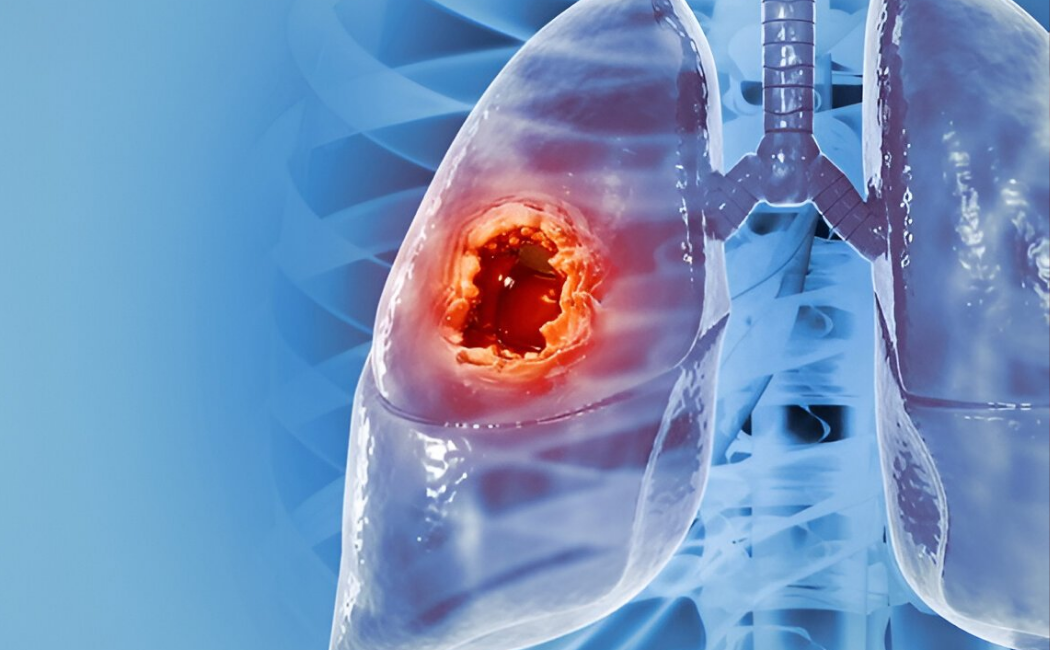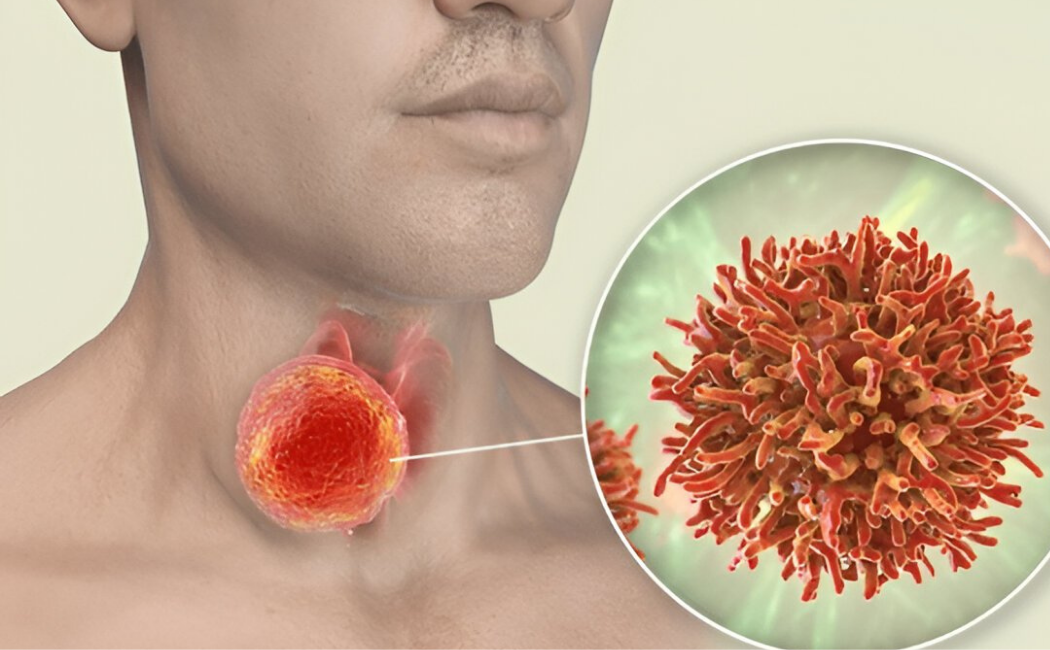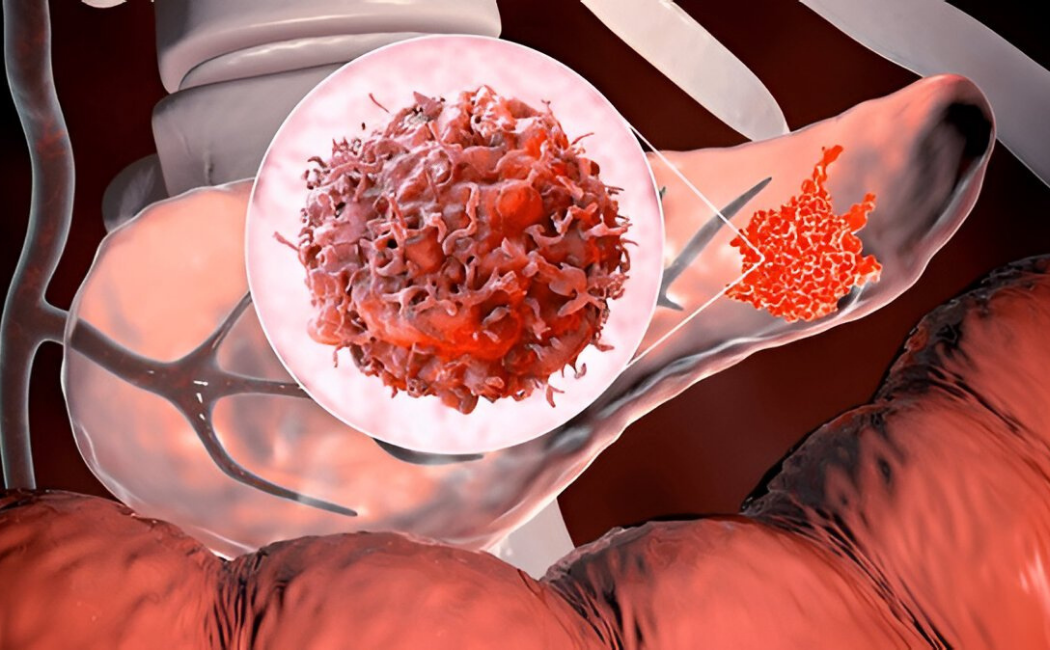
The idea of detecting cancer before symptoms appear has long been one of the biggest goals in modern medicine. Today, a new approach called multi-cancer early detection (MCED) is bringing that possibility closer to clinical practice.
Unlike conventional screening tests that focus on a particular cancer, MCED tests are designed to look for biological signals associated with multiple cancers from a single blood sample. Some tests can also provide an indication of the tissue or organ where the cancer signal may have originated.
However, this technology should be understood carefully. It is a promising development in cancer detection, but it does not currently replace established screening tests or diagnostic investigations.
For patients exploring early cancer detection and comprehensive care, understanding what these tests can and cannot do is important. A trusted Cancer Hospital in Coimbatore can help patients interpret screening results and decide what further evaluation may be appropriate.
What is a multi-cancer early detection test?
MCED tests look for cancer signals in blood.
Every cell in the body releases tiny fragments of DNA into the bloodstream when cells naturally break down. These fragments are known as cell-free DNA.
Cancer cells can release DNA with different molecular characteristics. One area researchers study is DNA methylation, a chemical pattern that can vary between healthy and cancerous cells.
MCED tests analyse these patterns to identify signals that may indicate cancer and, in some cases, estimate where the cancer may have originated.
This is different from a conventional blood test that checks for one specific marker or condition.
Can one blood test detect multiple cancers?
Yes, emerging tests can detect multiple cancer signals.
The key idea behind MCED technology is that a single blood sample may contain biological clues associated with different types of cancer.
Some commercially developed tests have been designed to screen for signals associated with more than 50 cancer types. However, a positive result does not mean that cancer has been confirmed.
Further diagnostic testing is necessary to determine whether cancer is actually present and, if so, where it is located.
How does MCED technology work?
MCED testing generally involves analysing molecular information found in a blood sample.
The process may involve:
- Collecting a small blood sample
- Isolating cell-free DNA
- Analysing DNA methylation patterns
- Using computational or AI-assisted methods
- Identifying a possible cancer signal
- Predicting the likely tissue or organ of origin
The technology is designed to identify patterns that may be difficult to detect through symptoms alone.
However, the result must always be interpreted in the context of the patient's medical history and other investigations.
What does recent research tell us?
Research into MCED technology has produced encouraging findings, but the evidence is still developing.
The NHS-Galleri trial in England evaluated the use of a multi-cancer blood test in a large population of adults aged 50 to 77. Results reported in 2026 generated interest because the study demonstrated increased cancer detection compared with standard screening alone, along with changes in the stages at which some cancers were detected.
However, the study did not formally meet its specified primary statistical endpoint and longer follow-up is needed to determine whether earlier detection ultimately leads to a reduction in cancer-related deaths.
This distinction is important. Promising screening results do not automatically prove that a test improves long-term survival.
Why could multi-cancer detection be important?
It may help identify cancers without routine screening.
Currently, established screening methods focus on specific cancers. Mammograms are used for breast cancer screening, while colonoscopy and stool-based tests can help detect colorectal cancer.
However, several cancers do not currently have widely recommended population screening tests.
These include cancers affecting organs such as:
- Pancreas
- Liver
- Bile ducts
- Kidneys
- Ovaries
- Uterus
This is where MCED technology could potentially fill an important gap in preventive healthcare.
Can an MCED test replace a mammogram or colonoscopy?
No, MCED does not replace standard cancer screening.
This is one of the most important points patients should understand.
A multi-cancer blood test is considered an additional screening approach rather than a replacement for established screening programs. If you are eligible for mammography, colorectal cancer screening, cervical screening, or another recommended test, you should continue following your doctor's advice.
Similarly, people experiencing symptoms should not wait for an MCED test before seeking medical evaluation.
Who may benefit from multi-cancer screening?
Higher-risk adults may need personalised guidance.
MCED testing may be particularly relevant for people who have increased cancer risk because of factors such as:
- Older age
- Strong family history
- Previous cancer
- Tobacco exposure
- Other recognised risk factors
However, suitability depends on the specific test and individual circumstances.
A consultation with a Best Cancer Doctor in Coimbatore can help patients understand whether additional screening is appropriate for their risk profile.
What happens if an MCED test is positive?
A positive result needs diagnostic confirmation.
A positive screening result does not automatically mean that a person has cancer.
Doctors may recommend additional investigations depending on the suspected organ or cancer type. These may include imaging, laboratory tests, endoscopy, biopsy, or other specialist investigations.
The goal is to confirm whether cancer is actually present before any treatment decision is made.
This is why access to a multidisciplinary cancer team is important when an abnormal screening result requires further evaluation.
What are the limitations of MCED tests?
MCED tests can miss some cancers or flag false positives.
No screening test is perfect.
Potential limitations include:
- False-positive results
- False-negative results
- Difficulty detecting some early cancers
- Uncertainty about the exact location of a cancer signal
- Additional tests after a positive result
- Limited long-term evidence for some newer tests
Patients should therefore avoid treating an MCED result as a final diagnosis.
What could the future of cancer screening look like?
Blood-based screening may expand preventive cancer care.
The future of cancer detection could involve combining different screening methods rather than relying on a single test.
MCED technology may eventually become one part of a broader preventive healthcare strategy alongside established screening, genetic risk assessment, imaging and routine medical evaluation.
As research continues, doctors will need to determine which patients benefit most, how frequently testing should be performed and whether earlier detection translates into better long-term outcomes.
Why is expert guidance still important?
Screening results need medical interpretation.
Advanced technology can provide valuable information, but a test result is only one part of a patient's medical picture.
At GEM Cancer Centre, cancer evaluation can involve specialists from medical oncology, surgical oncology, radiation oncology, pathology, nuclear medicine and diagnostic services.
This multidisciplinary approach helps patients move from screening and detection to confirmation, staging and treatment planning when required.
For individuals seeking Cancer Treatment in Coimbatore, expert interpretation is especially important when an abnormal screening result requires further investigation.
FAQs
Can a blood test detect cancer before symptoms appear?
Some emerging multi-cancer early detection tests are designed to identify molecular signals associated with cancer before symptoms develop. However, these tests do not detect every cancer and a positive result requires further diagnostic testing to confirm the presence and location of cancer.
Is a multi-cancer blood test a replacement for mammograms?
No. MCED testing should not be considered a replacement for established screening such as mammograms or colorectal cancer screening. Patients should continue recommended screening based on their age, sex, medical history and individual risk factors.
What does a positive MCED test mean?
A positive MCED test means that the test has identified a biological signal that may be associated with cancer. It does not confirm cancer. Doctors usually recommend additional investigations, such as imaging or biopsy, to determine whether cancer is actually present.
Who should consider a multi-cancer early detection test?
MCED testing may be discussed with adults who have certain cancer risk factors, particularly increasing age or a strong family history. The decision should be individualised because the benefits, limitations and availability of these tests continue to evolve.
Are multi-cancer early detection tests available in India?
Availability varies depending on the specific test, laboratory and clinical setting. Patients should discuss the test's validation, limitations, regulatory status and follow-up pathway with a qualified doctor before choosing to undergo testing.
What should I do if I am worried about my cancer risk?
Start with a medical consultation rather than relying on a single screening test. A Cancer Hospital in Coimbatore can assess your personal and family history, identify appropriate screening options and recommend further evaluation when necessary.
Final Note
Multi-cancer early detection technology represents an exciting direction in preventive medicine. The possibility of identifying signals from several cancers through a single blood sample could eventually change how some cancers are detected.
However, these tests should be viewed as an emerging additional tool, not a replacement for established screening or diagnostic evaluation.
For patients concerned about cancer risk or looking for comprehensive Cancer Treatment in Coimbatore, timely consultation with an experienced oncology team can help ensure that screening results, symptoms and other medical factors are evaluated together.
Take the Right Step for Your Health
If you have concerns about cancer risk, persistent symptoms, or an abnormal screening result, speak with a qualified cancer specialist. Early evaluation and appropriate follow-up can help you make informed decisions about your health.