Pancreatic cancer can be difficult to recognise in its early stages because the symptoms may be subtle or resemble common digestive problems. This is one reason why knowing the warning signs and seeking medical evaluation when symptoms persist can be important.
For people searching for Pancreatic Cancer in Coimbatore, understanding the symptoms, diagnostic process and available treatment options can help patients and families make informed decisions.
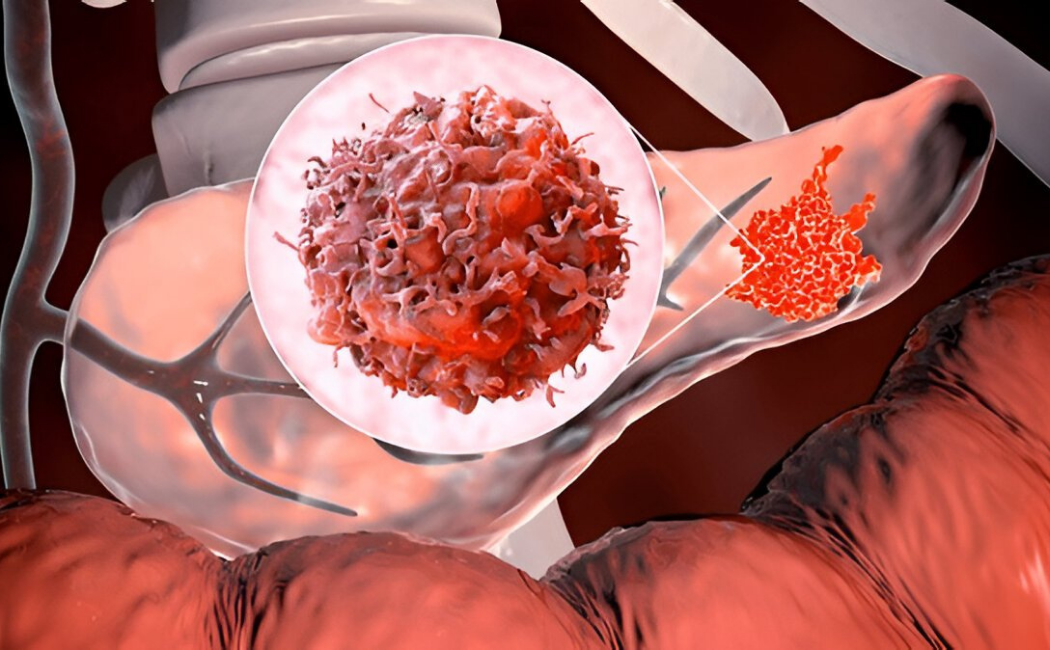
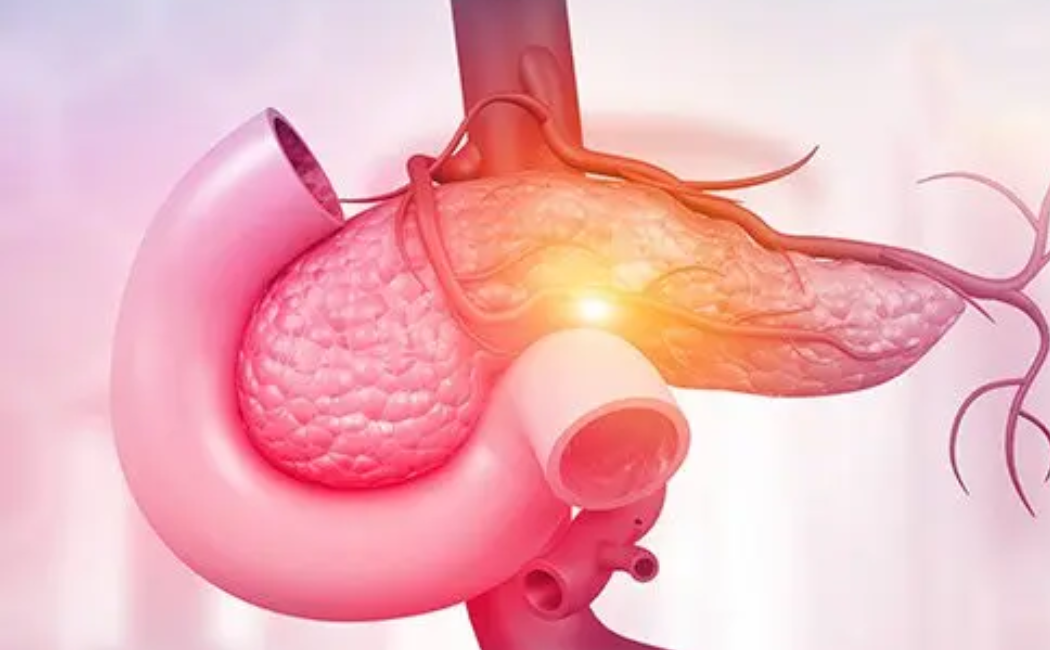
The pancreas is an organ located deep within the abdomen. It plays an important role in digestion and blood-sugar regulation. Cancer can develop in the pancreatic tissues and, depending on its type and stage, may require surgery, chemotherapy, radiation therapy, targeted treatment, immunotherapy or a combination of approaches.
Early evaluation does not guarantee that cancer will be found at an early stage, but it can help doctors identify the condition sooner when symptoms or other findings raise concern.
Why Is Pancreatic Cancer Difficult to Detect Early?
The pancreas is deep inside the abdomen, so early symptoms can be subtle.
The pancreas is located behind several abdominal organs. Early pancreatic tumours may therefore not cause an obvious lump or easily detectable physical change.
Some initial symptoms can also resemble common digestive conditions.
For example, a person may experience:
- Indigestion
- Reduced appetite
- Mild abdominal discomfort
- Nausea
- Unexplained tiredness
- Changes in bowel habits
These symptoms do not necessarily indicate pancreatic cancer.
However, persistent, unexplained or worsening symptoms should be evaluated rather than repeatedly self-treated.
What Are the Early Symptoms of Pancreatic Cancer?
Persistent abdominal symptoms, weight loss and jaundice need medical attention.
Possible symptoms of pancreatic cancer include:
- Upper abdominal pain
- Back pain
- Unexplained weight loss
- Loss of appetite
- Jaundice
- Dark urine
- Pale-coloured stools
- Persistent itching
- Nausea or vomiting
- Changes in digestion
- New or worsening diabetes in some people
Symptoms vary depending on the location and extent of the tumour.
Importantly, these symptoms can also occur with many non-cancerous conditions.
The presence of one symptom does not mean that a person has pancreatic cancer.
Can Back Pain Be a Sign of Pancreatic Cancer?
Persistent upper abdominal or back pain can require evaluation.
Pain associated with pancreatic disease may sometimes be felt in the upper abdomen and may extend toward the back.
However, back pain is extremely common and usually has causes unrelated to pancreatic cancer.
Concern is greater when persistent back or abdominal pain occurs alongside unexplained weight loss, jaundice, appetite loss or other digestive symptoms.
A doctor can determine whether further investigation is appropriate.
Why Does Jaundice Need Prompt Evaluation?
Jaundice can indicate blockage of bile flow and needs medical assessment.
Jaundice causes the skin and whites of the eyes to appear yellow.
It may also occur with:
- Dark urine
- Pale stools
- Itching
A pancreatic tumour located near the bile duct can sometimes interfere with the normal flow of bile.
However, jaundice has many other causes, including gallstones, liver disease and other conditions.
New-onset jaundice should therefore be evaluated promptly.
Who May Have a Higher Risk of Pancreatic Cancer?
Risk increases with certain genetic, medical and lifestyle factors.
Factors associated with pancreatic cancer risk can include:
- Increasing age
- Tobacco use
- Family history of pancreatic cancer
- Certain inherited genetic conditions
- Chronic pancreatitis
- Diabetes
- Obesity
Having a risk factor does not mean that someone will definitely develop pancreatic cancer.
Likewise, pancreatic cancer can occur in people without obvious risk factors.
If you have a strong family history or a known inherited cancer syndrome, discuss your individual risk with a qualified doctor.
How Is Pancreatic Cancer Diagnosed?
Doctors combine imaging, laboratory tests and tissue evaluation when needed.
There is no single test that can diagnose every pancreatic cancer.
Depending on the symptoms and clinical situation, evaluation may involve:
Blood Tests
Blood tests can provide information about liver function and general health.
Tumour markers such as CA 19-9 may sometimes be used, particularly after a diagnosis has been considered or established.
However, CA 19-9 is not a standalone screening test for pancreatic cancer. Levels can be elevated in non-cancerous conditions and some people with pancreatic cancer may not have an elevated level.
Ultrasound
Abdominal ultrasound may be used as an initial imaging test in selected situations.
CT Scan
A specialised contrast-enhanced CT scan can provide detailed images of the pancreas and surrounding structures.
MRI and MRCP
MRI can provide detailed soft-tissue information, while MRCP can help visualise the bile and pancreatic ducts.
Endoscopic Ultrasound
Endoscopic ultrasound, or EUS, uses an endoscope with an ultrasound probe to obtain detailed images of the pancreas.
A biopsy can sometimes be obtained during the same procedure when necessary.
Why Is Accurate Staging Important?
Staging shows whether pancreatic cancer has spread.
Once pancreatic cancer is diagnosed, doctors need to determine its extent.
They may assess whether the tumour:
- Is confined to the pancreas
- Has involved nearby blood vessels
- Has spread to nearby lymph nodes
- Has spread to distant organs
Staging helps determine whether surgery may be possible and what other treatments should be considered.
Can Pancreatic Cancer Be Treated?
Treatment depends on the tumour type, stage and patient's health.
Pancreatic cancer treatment is not the same for every patient.
Depending on the situation, treatment may include:
- Surgery
- Chemotherapy
- Radiation therapy
- Targeted therapy
- Immunotherapy for selected patients
- Supportive and palliative care
A multidisciplinary team may combine several approaches.
When Is Surgery Used for Pancreatic Cancer?
Surgery may be considered when the tumour can be safely removed.
Surgery is an important treatment option for selected patients whose cancer is considered resectable.
The type of surgery depends on where the tumour is located.
For example, a tumour in the head of the pancreas may be treated with a Whipple procedure, also known as pancreaticoduodenectomy, when surgery is appropriate.
This is a complex operation and requires careful assessment of the patient's overall health and the tumour's relationship with nearby structures.
What Is the Role of Chemotherapy?
Chemotherapy can treat cancer cells throughout the body.
Chemotherapy may be used:
- Before surgery
- After surgery
- Instead of surgery when the disease cannot be removed
- In combination with other treatments
The specific medicines and schedule depend on the cancer type, stage and patient's health.
Can Radiation Therapy Be Used?
Radiation may be used in selected pancreatic cancer cases.
Radiation therapy uses high-energy radiation to target cancer cells.
Its role can vary depending on:
- Tumour location
- Disease stage
- Surgical plans
- Response to chemotherapy
- Overall treatment strategy
Not every patient with pancreatic cancer requires radiation.
Why Is Multidisciplinary Care Important?
Different specialists contribute to complex pancreatic cancer decisions.
Pancreatic cancer can involve several areas of expertise.
A multidisciplinary team may include:
- Gastroenterologist
- Medical oncologist
- Surgical oncologist
- Radiation oncologist
- Radiologist
- Pathologist
- Nutrition specialist
- Palliative and supportive-care professionals
Working together can help doctors consider diagnosis, staging, treatment and supportive needs as part of one coordinated plan.
What Happens After a Pancreatic Cancer Diagnosis?
The next step is usually detailed staging and treatment planning.
After diagnosis, your medical team may review:
- Biopsy results
- CT or MRI findings
- Blood tests
- Tumour markers
- Overall health
- Nutritional status
- Treatment goals
You may also be referred to other specialists.
Patients should feel comfortable asking their doctors to explain the diagnosis and treatment options in simple language.
Why Should Patients Seek a Second Opinion?
A second opinion can clarify complex treatment decisions.
Pancreatic cancer can involve major treatment decisions, particularly when surgery or combination therapy is being considered.
A second opinion may help you understand:
- Whether the diagnosis is clear
- The stage of the disease
- Whether surgery is appropriate
- Available treatment options
- Potential benefits and risks
- Whether additional testing is required
Seeking another medical opinion is a reasonable option when you want greater clarity before making a major treatment decision.
What Can Patients Do While Waiting for Evaluation?
Keep medical records organised and avoid delaying evaluation.
If you are waiting for a specialist appointment:
- Keep previous reports together
- Record your symptoms
- Note recent weight changes
- Prepare a list of medications
- Bring previous scans and reports
- Write down questions for the specialist
Avoid relying on unproven supplements or alternative treatments in place of medical evaluation.
Frequently Asked Questions
1. What are the first signs of pancreatic cancer?
Possible signs include persistent abdominal or back pain, weight loss, appetite loss and jaundice. These symptoms can have many other causes and require medical evaluation rather than self-diagnosis.
2. Can pancreatic cancer be detected early?
Early detection can be challenging because symptoms may be subtle. Prompt evaluation of persistent or concerning symptoms can help doctors investigate possible causes sooner.
3. Is CA 19-9 enough to diagnose pancreatic cancer?
No, CA 19-9 cannot diagnose pancreatic cancer by itself. It may be used alongside imaging and other investigations in appropriate situations.
4. Which scan is best for pancreatic cancer?
The appropriate scan depends on the clinical situation. Contrast-enhanced CT, MRI/MRCP and endoscopic ultrasound may all have roles in evaluating pancreatic disease.
5. Is pancreatic cancer treatable?
Some pancreatic cancers can be treated with surgery and other therapies. Treatment depends heavily on the tumour's stage, location and whether it can be removed.
6. When is pancreatic cancer surgery possible?
Surgery may be possible when the tumour is considered resectable. Doctors assess its location, spread and relationship with nearby blood vessels and organs.
7. Can pancreatic cancer cause back pain?
Yes, pancreatic cancer can sometimes cause upper abdominal pain that extends to the back. Persistent pain with other concerning symptoms should be evaluated.
8. Does diabetes increase pancreatic cancer risk?
Some forms of diabetes are associated with an increased risk. However, most people with diabetes do not develop pancreatic cancer.
9. Should I see a pancreas specialist for persistent symptoms?
Persistent or unexplained symptoms deserve medical evaluation. A gastroenterologist or specialist cancer team can determine whether pancreatic investigation is appropriate.
10. Why is early diagnosis important in pancreatic cancer?
Earlier diagnosis can provide more opportunities for appropriate treatment planning. It can help doctors determine the stage and whether treatments such as surgery may be suitable.
Conclusion
Pancreatic cancer can be challenging to detect because its early symptoms may be subtle and can resemble common digestive problems. This makes awareness and appropriate medical evaluation particularly important.
If you are concerned about Pancreatic Cancer in Coimbatore, persistent symptoms such as unexplained weight loss, jaundice, ongoing abdominal or back pain, appetite changes or unusual digestive symptoms should be discussed with a qualified healthcare professional.
Diagnosis may involve blood tests, CT, MRI, endoscopic ultrasound and, when necessary, biopsy. Once cancer is confirmed, staging helps the medical team determine whether surgery, chemotherapy, radiation, targeted treatment, immunotherapy or a combination approach may be appropriate.
Early evaluation does not guarantee an early-stage diagnosis, but it can help patients move from uncertainty toward a clear diagnosis and appropriate treatment plan.
Call to Action
If you or someone in your family has persistent or unexplained symptoms that may involve the pancreas, speak with a qualified specialist rather than relying on self-diagnosis.
Timely evaluation can provide clarity, help determine the cause of symptoms and allow the appropriate care pathway to begin.