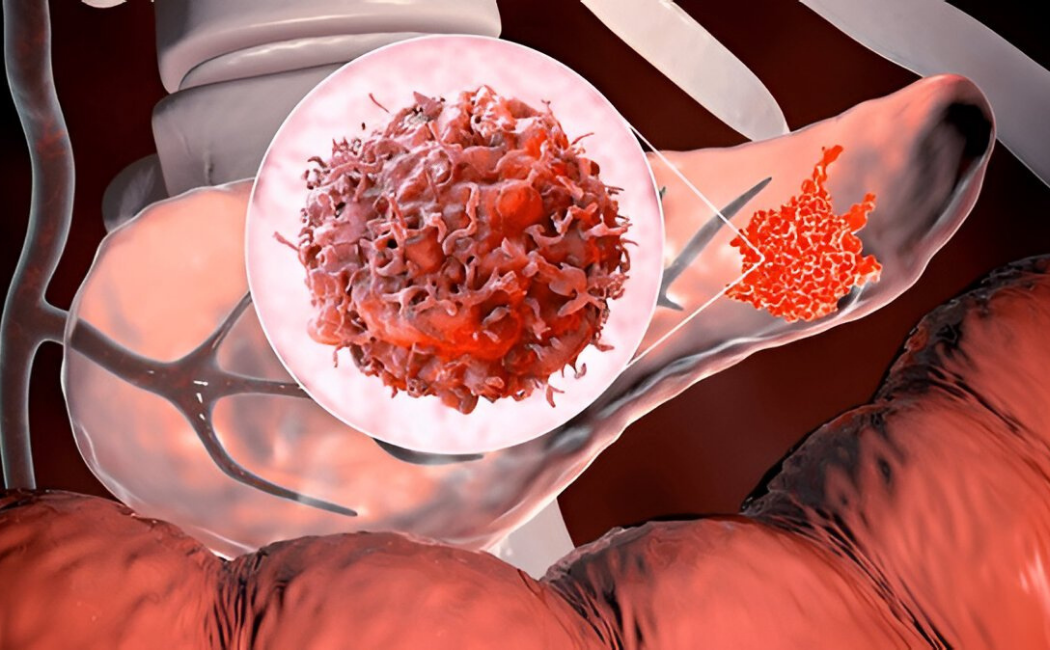
The pancreas is a small organ located deep inside the abdomen, but it plays an important role in digestion and blood sugar regulation. When pancreatic cancer develops, the early signs may be subtle and can sometimes resemble common digestive problems.
This is one reason pancreatic cancer may go unnoticed in its earlier stages. Symptoms such as abdominal discomfort, appetite changes, unexplained weight loss, or digestive problems may not immediately seem serious. However, when these changes persist or occur together, they deserve medical attention.
For people looking for information about Pancreatic Cancer in Coimbatore, recognising these less obvious warning signs can help encourage timely consultation and appropriate evaluation.
At GEM Cancer Centre, patients can receive specialist assessment, diagnostic support, personalised treatment planning, and ongoing cancer care based on their individual condition.
What is pancreatic cancer?
Pancreatic cancer begins with abnormal pancreatic cells.
Pancreatic cancer occurs when cells in the pancreas develop abnormal changes and begin growing uncontrollably. These cells can form a tumour and, depending on the type and stage, may spread to nearby tissues or distant organs.
The pancreas has two major functions:
- Producing digestive enzymes
- Producing hormones that regulate blood sugar
Cancer affecting the pancreas can interfere with these functions as the disease progresses.
What are the silent signs of pancreatic cancer?
Early symptoms may be subtle and easily overlooked.
Pancreatic cancer does not always cause obvious symptoms in the beginning. Some people may notice changes that seem unrelated to a serious condition.
Possible warning signs include:
- Persistent abdominal discomfort
- Upper abdominal pain
- Pain extending towards the back
- Unexplained weight loss
- Reduced appetite
- Persistent indigestion
- Nausea
- Changes in bowel habits
- Unusual tiredness
These symptoms can have many other causes. Their presence alone does not mean that someone has pancreatic cancer.
However, persistent or unexplained changes should not be ignored.
Can abdominal pain be a sign of pancreatic cancer?
Persistent upper abdominal pain needs evaluation.
Pancreatic cancer may cause pain in the upper abdomen that sometimes spreads towards the back.
The pain may be persistent or may become more noticeable after eating. However, abdominal pain can also occur because of conditions such as gastritis, gallstones, pancreatitis, or other digestive problems.
If abdominal pain continues, becomes more severe, or occurs along with weight loss, jaundice, or appetite changes, medical evaluation is important.
Why can pancreatic cancer be difficult to detect early?
The pancreas lies deep inside the abdomen.
The pancreas is positioned behind other abdominal organs. As a result, small changes may not be easy to detect through a routine physical examination.
In addition, some early symptoms can resemble:
- Acidity
- Indigestion
- Gastritis
- Loss of appetite
- General tiredness
This can lead people to wait for symptoms to disappear on their own.
Understanding persistent changes and seeking timely medical advice can help avoid unnecessary delays.
Can unexplained weight loss indicate pancreatic cancer?
Unintentional weight loss should be medically assessed.
Losing weight without deliberately changing your diet or exercise routine can have many causes.
In pancreatic cancer, weight loss may occur because of reduced appetite, digestive difficulties, changes in metabolism, or the effects of the disease itself.
Unexplained weight loss becomes particularly important when it occurs alongside:
- Persistent abdominal pain
- Loss of appetite
- Jaundice
- Digestive changes
- Persistent fatigue
A doctor can determine whether further investigation is needed.
What are the warning signs that need urgent attention?
Jaundice and persistent symptoms need prompt evaluation.
Some symptoms should receive particular attention, especially when they appear unexpectedly.
These include:
Jaundice
Yellowing of the eyes or skin can occur when a tumour blocks the flow of bile.
Dark Urine
Dark urine may accompany jaundice and can indicate changes in bile flow.
Pale Stools
Changes in stool colour can occur when bile is not reaching the intestine normally.
Persistent Itching
Generalised itching may sometimes occur alongside jaundice.
New-Onset Diabetes
Changes in blood sugar or newly diagnosed diabetes, particularly alongside other unexplained symptoms, may require medical evaluation.
These signs do not automatically indicate pancreatic cancer, but they should not be ignored.
Who is at higher risk of pancreatic cancer?
Certain health and lifestyle factors can increase risk.
Pancreatic cancer can affect people without known risk factors, but some factors are associated with a higher risk.
These include:
- Tobacco use
- Family history of pancreatic cancer
- Chronic pancreatitis
- Long-standing diabetes
- Obesity
- Increasing age
- Heavy alcohol consumption
Having a risk factor does not mean cancer will develop. However, people with multiple risk factors should discuss their individual health history with a doctor.
When should Coimbatore patients seek help?
Persistent or unexplained symptoms deserve evaluation.
A common mistake is waiting for symptoms to become severe before seeking medical advice.
Consider consulting a doctor if you have:
- Persistent abdominal or back pain
- Unexplained weight loss
- Ongoing indigestion
- Significant appetite loss
- Jaundice
- Persistent digestive changes
- New or unexplained blood sugar changes
Early consultation does not mean that cancer is present. It allows the underlying cause to be investigated appropriately.
How is pancreatic cancer diagnosed?
Diagnosis combines imaging, blood tests, and biopsy.
If pancreatic cancer is suspected, doctors may recommend several investigations.
Blood Tests
Blood tests can assess general health and may include tumour marker testing such as CA 19-9 in appropriate situations.
CA 19-9 alone cannot confirm pancreatic cancer. It is interpreted along with symptoms, imaging, and other investigations.
Ultrasound
An abdominal ultrasound can help identify abnormalities involving the pancreas and surrounding organs.
CT Scan
A CT scan provides detailed images that help doctors assess the pancreas, tumour size, and possible spread.
MRI
MRI can provide additional information about the pancreas and nearby structures.
Endoscopic Ultrasound
Endoscopic ultrasound allows detailed examination of the pancreas and may be used to obtain a tissue sample when required.
Biopsy
A biopsy examines tissue under a microscope and can help confirm the presence of cancer cells.
Why is early diagnosis important?
Earlier evaluation can expand treatment planning options.
Pancreatic cancer treatment depends strongly on the stage and whether the tumour can be surgically removed.
When cancer is identified earlier, doctors can assess whether treatments such as surgery, chemotherapy, radiation therapy, or a combination approach may be appropriate.
For patients searching for Pancreatic Cancer in Coimbatore, timely evaluation can help doctors determine the cause of symptoms and develop an appropriate care plan.
What are the treatment options for pancreatic cancer?
Treatment depends on stage, location, and overall health.
There is no single treatment suitable for every pancreatic cancer patient.
Treatment may include:
Surgery
Surgery may be considered when the tumour can be safely removed.
Depending on the tumour's location, procedures may include the Whipple procedure or distal pancreatectomy.
Chemotherapy
Chemotherapy uses medicines to destroy cancer cells or control their growth. It may be given before or after surgery or used to manage advanced disease.
Radiation Therapy
Radiation therapy may be used in selected situations to target cancer cells in the pancreas or surrounding area.
Targeted Therapy
Some patients may be candidates for targeted treatments based on specific characteristics of their cancer.
Immunotherapy
Immunotherapy may be appropriate for selected pancreatic cancers with particular biological or molecular features.
The final treatment plan is based on detailed assessment rather than symptoms alone.
How does a multidisciplinary team help?
Multiple specialists support coordinated treatment decisions.
Pancreatic cancer care can involve several specialists, including:
- Medical oncologists
- Surgical oncologists
- Radiation oncologists
- Radiologists
- Pathologists
- Nutrition specialists
- Supportive care teams
Each specialist contributes to diagnosis, staging, treatment planning, and recovery.
At GEM Cancer Centre, a multidisciplinary approach helps patients receive coordinated cancer care based on their diagnosis and individual needs.
Can pancreatic cancer symptoms be prevented?
Healthy habits can help reduce some risk factors.
Not every case of pancreatic cancer can be prevented. However, certain lifestyle measures may help reduce some associated risks.
These include:
- Avoiding tobacco
- Maintaining a healthy body weight
- Staying physically active
- Eating a balanced diet
- Managing diabetes appropriately
- Limiting alcohol consumption
People with a strong family history or other significant risk factors should discuss their individual risk with a healthcare professional.
FAQs
What are the earliest signs of pancreatic cancer?
Early signs can include persistent abdominal discomfort, back pain, appetite loss, unexplained weight loss, indigestion, and fatigue. These symptoms can have many causes, so medical evaluation is needed to determine the underlying problem.
Does pancreatic cancer always cause pain?
No. Some patients may have little or no pain in the early stages. When pain occurs, it may involve the upper abdomen and sometimes extend towards the back.
Can jaundice be a sign of pancreatic cancer?
Yes. Pancreatic cancer can sometimes block the bile duct, causing jaundice. Yellowing of the eyes or skin, dark urine, pale stools, and itching should be medically evaluated.
Is sudden diabetes linked to pancreatic cancer?
New-onset diabetes can have many causes and does not mean that a person has pancreatic cancer. However, unexplained changes in blood sugar, particularly when combined with other symptoms, may require further evaluation.
Who has a higher risk of pancreatic cancer?
Risk may be higher in people with tobacco exposure, family history, chronic pancreatitis, long-standing diabetes, obesity, and increasing age. Multiple risk factors may warrant a discussion with a doctor.
How is pancreatic cancer confirmed?
Doctors may use CT or MRI imaging, endoscopic ultrasound, blood tests, and biopsy. A biopsy may be required to confirm cancer cells depending on the clinical situation.
Can pancreatic cancer be treated?
Yes. Treatment options may include surgery, chemotherapy, radiation therapy, targeted therapy, and immunotherapy in selected cases. Treatment depends on cancer stage and individual patient factors.
When should I see a doctor for pancreatic symptoms?
Seek medical advice if symptoms such as persistent abdominal pain, unexplained weight loss, jaundice, appetite loss, or ongoing digestive changes do not improve or occur together.
Where can I get care for Pancreatic Cancer in Coimbatore?
Patients seeking Pancreatic Cancer in Coimbatore can consult GEM Cancer Centre for specialist evaluation, diagnostic support, personalised treatment planning, and ongoing cancer care.
Final Note
Pancreatic cancer can sometimes begin with symptoms that seem minor or unrelated to the pancreas. Persistent indigestion, unexplained weight loss, abdominal or back pain, appetite changes, and jaundice should therefore be evaluated rather than repeatedly self-treated.
Not every digestive symptom indicates cancer. The important step is understanding when a change is persistent or unusual and seeking appropriate medical advice.
For patients looking for Pancreatic Cancer in Coimbatore, GEM Cancer Centre provides comprehensive cancer evaluation, advanced diagnostics, multidisciplinary treatment planning, and supportive care throughout the treatment journey.