A diagnosis of pancreatic cancer can be overwhelming for patients and their families. Questions about treatment options, recovery, surgery, and long-term care are common after diagnosis.
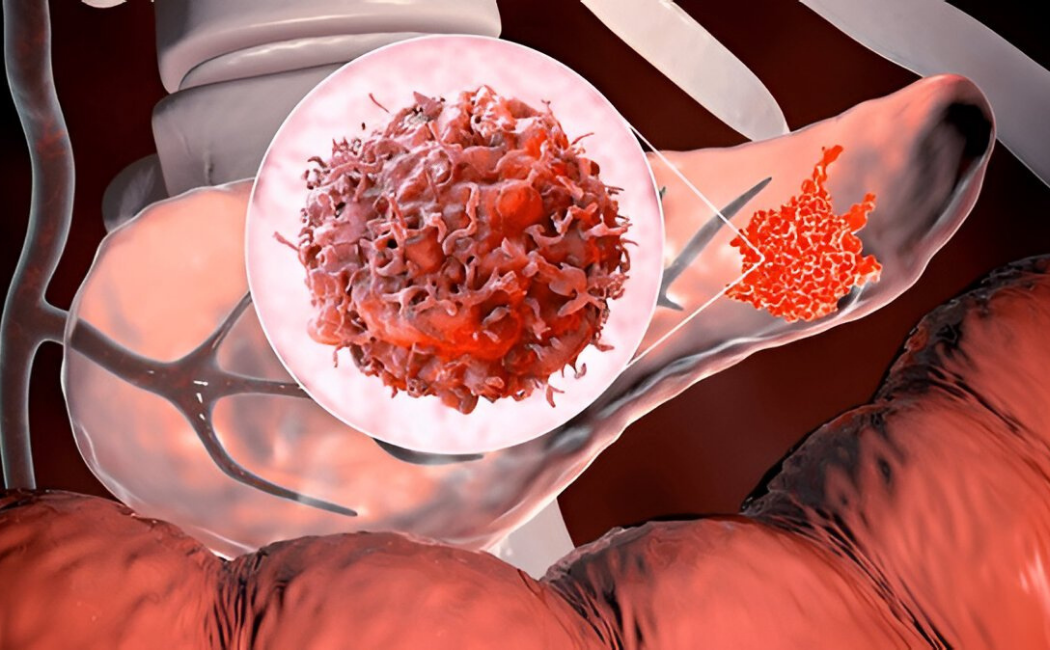
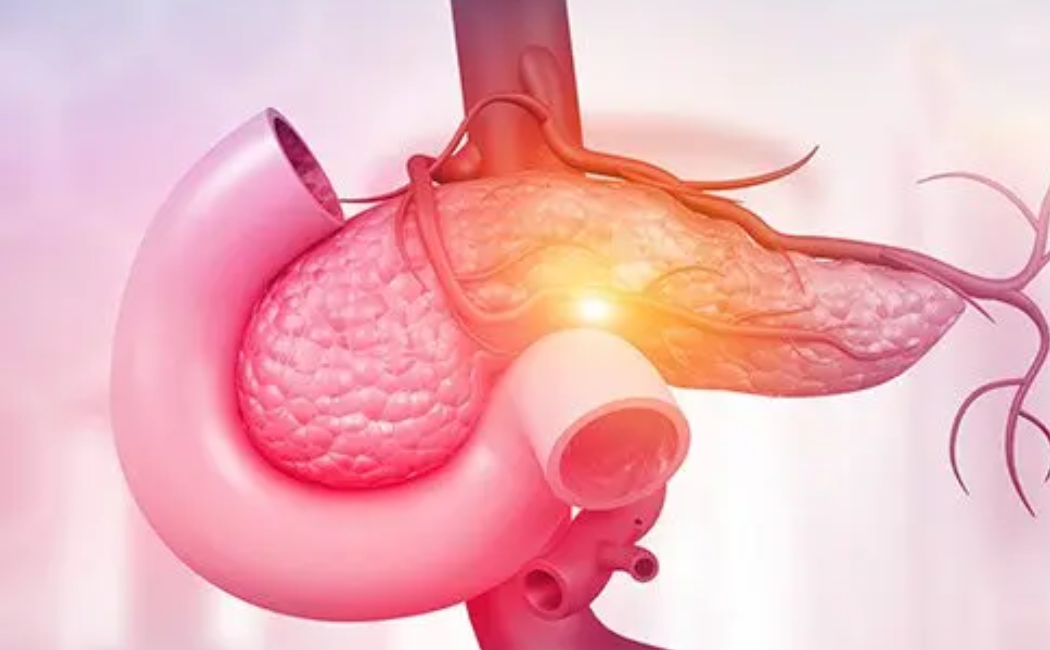
The pancreas is an important organ involved in digestion and blood sugar regulation. When abnormal cells develop in the pancreas and grow uncontrollably, it can lead to pancreatic cancer. Since the pancreas is located deep inside the abdomen, early symptoms may sometimes be difficult to identify.
However, advancements in cancer diagnosis and treatment have improved the way pancreatic cancer is managed today. Treatment approaches are planned based on the stage of cancer, tumour location, overall health, and individual patient needs.
For patients looking for Pancreatic Cancer Treatment in Coimbatore, understanding available treatment options can help them make informed decisions and approach care with greater confidence.
At GEM Cancer Centre, patients receive comprehensive cancer care through advanced diagnostics, specialist consultations, personalised treatment planning, and supportive care throughout their treatment journey.
What is pancreatic cancer?
Pancreatic cancer starts with abnormal cell growth.
Pancreatic cancer occurs when cells in the pancreas undergo abnormal changes and begin multiplying uncontrollably.
The pancreas performs two important functions:
Digestive Function
It produces enzymes that help the body digest food.
Hormonal Function
It produces hormones such as insulin that help regulate blood sugar levels.
When cancer develops in the pancreas, it can affect these functions and may spread to nearby tissues if not detected and managed appropriately.
Can pancreatic cancer be treated?
Yes, treatment options depend on cancer stage.
Pancreatic cancer can be treated using different approaches depending on the stage of disease, tumour location, and overall health of the patient.
Treatment goals may include:
- Removing cancer completely when possible
- Controlling cancer growth
- Reducing symptoms
- Improving quality of life
The treatment plan is different for every patient. Some patients may benefit from surgery, while others may require a combination of chemotherapy, radiation therapy, targeted therapy, or supportive care.
What are the early signs of pancreatic cancer?
Symptoms may appear gradually in early stages.
Pancreatic cancer symptoms can sometimes be mistaken for common digestive problems.
Possible warning signs include:
- Persistent upper abdominal pain
- Pain spreading to the back
- Unexplained weight loss
- Loss of appetite
- Yellowing of the eyes or skin (jaundice)
- Dark urine
- Pale stools
- New-onset diabetes
- Persistent fatigue
- Digestive discomfort
Not every symptom indicates pancreatic cancer. However, symptoms that continue or worsen should be evaluated by a healthcare professional.
How is pancreatic cancer diagnosed?
Diagnosis combines scans, tests, and tissue evaluation.
Accurate diagnosis helps doctors understand the type, location, and stage of pancreatic cancer.
Diagnostic methods may include:
Blood Tests
Blood tests help assess overall health and may include tumour marker evaluation such as CA 19-9 in selected cases.
Ultrasound
An abdominal ultrasound may help identify abnormalities in the pancreas and surrounding organs.
CT Scan
CT scans provide detailed images that help doctors evaluate tumour size and spread.
MRI Scan
MRI may provide additional information about the pancreas and nearby structures.
Endoscopic Ultrasound (EUS)
EUS allows detailed imaging of the pancreas and may help doctors collect tissue samples.
Biopsy
A biopsy confirms whether abnormal tissue contains cancer cells.
Why is pancreatic cancer staging important?
Staging helps doctors choose suitable treatment.
Cancer staging provides information about:
- Tumour size
- Location of cancer
- Lymph node involvement
- Spread to other organs
Based on staging, pancreatic cancer may be classified as:
Resectable Pancreatic Cancer
Cancer that may be removed completely through surgery.
Borderline Resectable Pancreatic Cancer
Cancer that may require additional treatment before surgery.
Advanced Pancreatic Cancer
Cancer that has spread and may require treatments focused on controlling disease and symptoms.
What are the treatment options for pancreatic cancer?
Treatment combines different approaches when needed.
Pancreatic cancer treatment is personalised according to each patient's condition.
The main treatment options include:
Surgery for Pancreatic Cancer
Surgery may remove cancer in selected patients.
Surgery is considered when pancreatic cancer is detected at a stage where complete removal is possible.
Surgical procedures may include:
Whipple Procedure
The Whipple procedure is a complex surgery commonly performed for cancers located in the head of the pancreas.
It involves removing the tumour along with nearby affected tissues and reconstructing the digestive system.
Distal Pancreatectomy
This procedure may be considered for tumours located in the body or tail of the pancreas.
The type of surgery depends on tumour location and patient suitability.
Chemotherapy for Pancreatic Cancer
Chemotherapy helps control cancer cell growth.
Chemotherapy uses medicines that travel through the bloodstream to target cancer cells.
It may be used:
- Before surgery to shrink tumours
- After surgery to reduce recurrence risk
- For advanced pancreatic cancer management
The choice of chemotherapy depends on cancer stage and patient health.
Radiation Therapy
Radiation targets cancer cells precisely.
Radiation therapy uses high-energy radiation to damage cancer cells.
It may be recommended in selected situations, including:
- Before surgery
- Along with chemotherapy
- To control symptoms
Modern radiation techniques help doctors deliver treatment accurately while protecting nearby healthy tissues.
Targeted Therapy and Immunotherapy
Advanced treatments depend on tumour characteristics.
Some pancreatic cancers may have specific biological features that allow targeted treatment approaches.
Immunotherapy may also be considered for selected patients based on tumour markers and other medical factors.
Doctors determine suitability through detailed evaluation.
How does precision cancer care help pancreatic cancer patients?
Personalised plans improve treatment decisions.
Every pancreatic cancer case is different. Precision cancer care focuses on understanding the unique characteristics of each patient's cancer.
Doctors may consider:
- Cancer type
- Genetic or molecular features
- Treatment response
- Overall health condition
This helps specialists select treatment approaches that are appropriate for the individual patient.
What happens after pancreatic cancer treatment?
Follow-up care supports long-term monitoring.
Completing treatment is an important milestone, but continued follow-up is essential.
Follow-up care may include:
- Regular consultations
- Imaging tests when required
- Monitoring symptoms
- Nutritional support
- Managing treatment-related effects
Follow-up helps doctors monitor recovery and address concerns early.
How can nutrition support pancreatic cancer treatment?
Nutrition helps maintain strength during care.
Pancreatic cancer and its treatments can affect digestion, appetite, and weight.
Nutrition support may focus on:
- Maintaining adequate calories
- Including protein-rich foods
- Managing digestive changes
- Preventing unwanted weight loss
- Supporting recovery after treatment
A personalised nutrition plan should be created based on the patient's condition and treatment stage.
Why choose specialist care for Pancreatic Cancer Treatment in Coimbatore?
Specialist teams provide coordinated cancer care.
Pancreatic cancer treatment often requires collaboration between multiple specialists.
A multidisciplinary team may include:
- Surgical oncologists
- Medical oncologists
- Radiation oncologists
- Radiologists
- Pathologists
- Nutrition specialists
- Supportive care teams
This approach helps patients receive complete evaluation and coordinated treatment planning.
For individuals seeking Pancreatic Cancer Treatment in Coimbatore, GEM Cancer Centre provides specialist-led cancer care with advanced diagnostics, personalised therapies, and continuous patient support.
FAQs
Is pancreatic cancer treatable?
Yes, pancreatic cancer can be treated using different approaches depending on the stage, tumour characteristics, and overall health of the patient. Treatment may include surgery, chemotherapy, radiation therapy, targeted therapy, and supportive care.
What is the best treatment for pancreatic cancer?
The best treatment depends on the individual patient's condition. Doctors consider cancer stage, tumour location, overall health, and treatment goals before recommending a personalised plan.
Can pancreatic cancer be cured completely?
In some cases where pancreatic cancer is detected early and can be removed completely through surgery, long-term disease control may be possible. Outcomes depend on several individual factors.
What are the first symptoms of pancreatic cancer?
Early symptoms may include abdominal discomfort, back pain, unexplained weight loss, appetite changes, jaundice, and digestive problems. Persistent symptoms should be evaluated by a specialist.
How is pancreatic cancer diagnosed?
Pancreatic cancer diagnosis may involve blood tests, CT scans, MRI scans, endoscopic ultrasound, and biopsy to confirm cancer and determine its stage.
Is surgery possible for all pancreatic cancer patients?
No. Surgery depends on factors such as tumour location, cancer stage, and whether the tumour can be safely removed. Specialists evaluate each patient individually.
Where can I get Pancreatic Cancer Treatment in Coimbatore?
Patients looking for Pancreatic Cancer Treatment in Coimbatore can consult GEM Cancer Centre for specialist evaluation, advanced treatment options, and personalised cancer care.
Final Note
Pancreatic cancer treatment has evolved with advances in diagnosis, surgery, radiation, and medical oncology. While every patient’s journey is different, timely evaluation and personalised treatment planning can help patients understand their options better.
Choosing the right cancer care team is an important step after diagnosis. A multidisciplinary approach ensures that treatment decisions consider both medical needs and quality of life.
For expert guidance regarding Pancreatic Cancer Treatment in Coimbatore, GEM Cancer Centre provides comprehensive oncology care with advanced treatment approaches, specialist support, and continuous care throughout the patient journey.