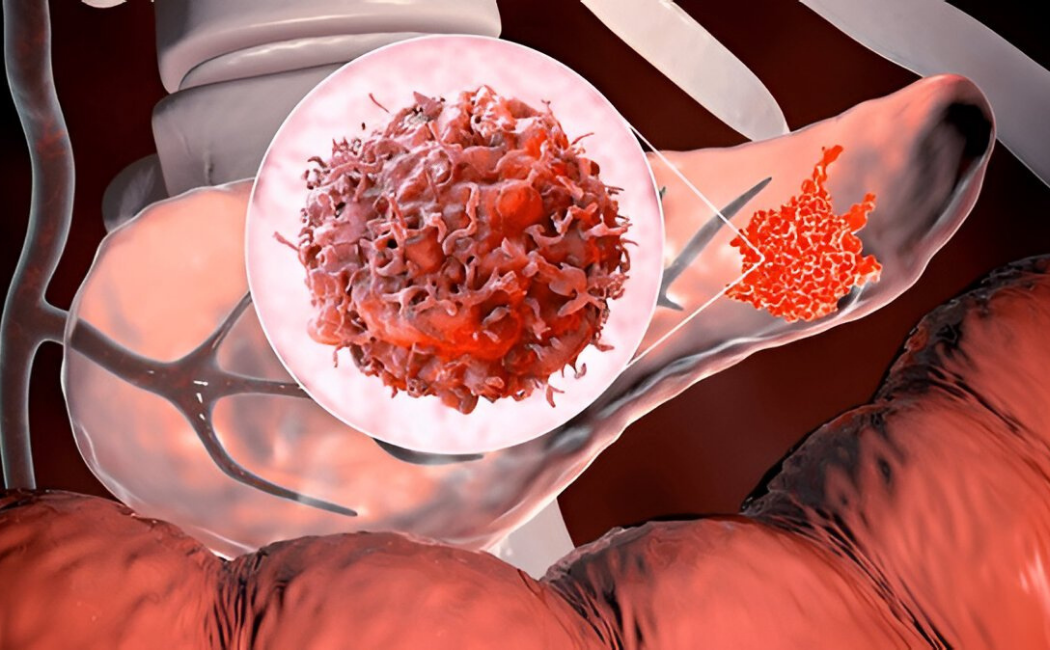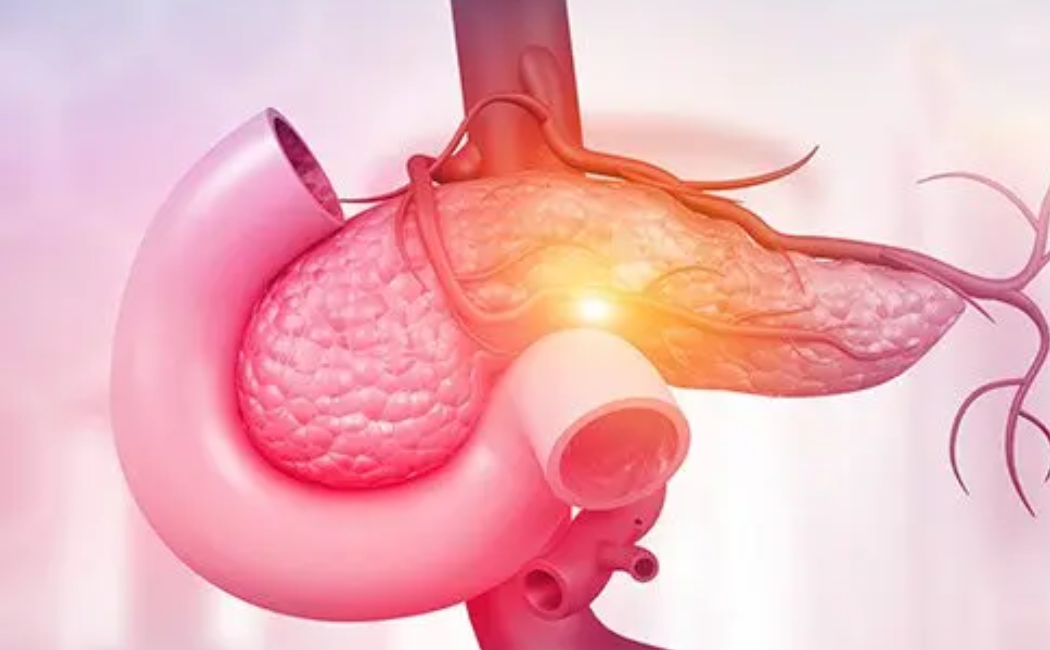
Pancreatic cancer is one of the challenging cancers affecting the digestive system, and tobacco use is one of the major preventable risk factors associated with its development. Cigarettes, beedis, cigars, and smokeless tobacco products such as paan, gutka, khaini, zarda, and snuff expose the body to harmful chemicals that can damage cells over time.
Many people believe that chewing tobacco is safer than smoking, but medical evidence shows that both forms of tobacco can increase cancer risk. The harmful substances in tobacco can travel through the bloodstream and affect different organs, including the pancreas.
Understanding the connection between tobacco and pancreatic cancer, recognising warning signs, and seeking timely medical guidance can help improve treatment outcomes.
At GEM Cancer Centre, patients receive comprehensive evaluation and personalized Pancreatic Cancer Treatment in Coimbatore through a multidisciplinary oncology approach.
How does tobacco increase pancreatic cancer risk?
Tobacco exposes the pancreas to harmful chemicals
Tobacco contains thousands of chemicals, including several known carcinogens such as benzene, cadmium, tar, and formaldehyde. These substances can cause cellular damage and increase the chances of abnormal cell growth.
When tobacco smoke is inhaled, these chemicals enter the bloodstream and travel throughout the body. In chewing tobacco, toxins enter through saliva and the digestive system.
Research shows that smokers have a higher risk of developing pancreatic cancer compared to non-smokers. Combining tobacco use with heavy alcohol consumption can further increase the risk.
Why is pancreatic cancer called a silent disease?
Early symptoms are difficult to identify
The pancreas is located deep inside the abdomen, making early tumours difficult to detect. In many cases, symptoms appear only when the disease has progressed.
Initial signs may include:
- Mild abdominal discomfort
- Indigestion
- Reduced appetite
- Fatigue
- Unexplained weakness
Because these symptoms may appear similar to common digestive issues, many people delay medical consultation.
What are the early symptoms of pancreatic cancer?
Symptoms may appear gradually at first
Pancreatic cancer symptoms can vary depending on the tumour location and stage.
Important warning signs include:
- Upper abdominal pain spreading to the back
- Unexplained weight loss
- Yellowing of eyes and skin (jaundice)
- Dark urine and pale stools
- Persistent itching
- Loss of appetite
- Sudden diabetes without obvious reason
- Continuous tiredness
If these symptoms continue for more than a few weeks, consulting a cancer specialist is important.
Who is at higher risk of pancreatic cancer?
Risk increases with multiple factors
Certain factors can increase the possibility of developing pancreatic cancer:
- Smoking and tobacco chewing
- Heavy alcohol consumption
- Family history of pancreatic cancer
- Chronic pancreatitis
- Long-term diabetes
- Obesity
- Increasing age
People with multiple risk factors should discuss preventive care and monitoring options with a specialist.
How is pancreatic cancer diagnosed?
Diagnosis uses imaging and specialised tests
Doctors use multiple tests to confirm pancreatic cancer and understand its stage.
Diagnostic methods include:
- Blood tests including CA 19-9 tumour marker
- Ultrasound
- CT scan
- MRI scan
- Endoscopic ultrasound (EUS)
- Biopsy
Accurate diagnosis helps doctors decide the most suitable treatment approach.
What are the treatment options for pancreatic cancer?
Treatment depends on cancer stage
Pancreatic cancer treatment is planned based on tumour size, location, stage, and overall health condition.
Treatment options may include:
Surgery
For selected early-stage cases, surgery may be considered. Procedures like the Whipple procedure may help remove tumours in suitable patients.
Chemotherapy
Chemotherapy uses medicines to destroy cancer cells and may be used before or after surgery.
Radiation Therapy
Radiation therapy uses targeted energy to control cancer cells in specific situations.
Targeted Therapy and Immunotherapy
Some patients may benefit from advanced therapies based on tumour characteristics.
At GEM Cancer Centre, specialists create personalized treatment plans for patients requiring Pancreatic Cancer Treatment in Coimbatore.
Can pancreatic cancer be prevented?
Healthy habits can reduce cancer risk
Although pancreatic cancer cannot always be prevented, lifestyle changes can lower risk.
Important preventive steps include:
- Avoiding tobacco completely
- Limiting alcohol consumption
- Maintaining healthy weight
- Eating fruits, vegetables, and fibre-rich foods
- Exercising regularly
- Managing diabetes and cholesterol
Stopping tobacco use is one of the strongest steps toward reducing cancer risk.
Why choose specialised cancer care?
Expert teams improve treatment planning
Pancreatic cancer often requires multiple specialists working together, including medical oncologists, surgical oncologists, radiologists, and other healthcare professionals.
A multidisciplinary approach helps doctors evaluate every aspect of the disease and create a personalised treatment pathway.
GEM Cancer Centre provides advanced oncology services with modern diagnostics and expert-led care for patients seeking Pancreatic Cancer Treatment in Coimbatore.
FAQs
Can tobacco cause pancreatic cancer?
Yes, tobacco increases pancreatic cancer risk.
Tobacco contains harmful chemicals that can damage cells and increase the possibility of cancer development. Both smoking and chewing tobacco products are linked with increased pancreatic cancer risk.
What are the first signs of pancreatic cancer?
Early symptoms may be mild and difficult to notice.
Common signs include abdominal discomfort, digestive problems, appetite changes, fatigue, unexplained weight loss, and jaundice. Persistent symptoms should be evaluated by a specialist.
Is pancreatic cancer treatable?
Treatment depends on the stage of cancer.
Depending on the patient's condition, treatment may include surgery, chemotherapy, radiation therapy, targeted therapy, or immunotherapy. Early evaluation helps doctors plan appropriate care.
When should I consult a pancreatic cancer specialist?
Persistent symptoms require medical attention.
If you experience unexplained weight loss, jaundice, ongoing abdominal pain, or digestive changes, consulting a specialist early can help with timely diagnosis.
Where can I get Pancreatic Cancer Treatment in Coimbatore?
GEM Cancer Centre provides advanced cancer care.
Patients looking for Pancreatic Cancer Treatment in Coimbatore can consult GEM Cancer Centre for diagnosis, treatment planning, and multidisciplinary oncology support.
Final Note
Pancreatic cancer can be difficult to detect early, but awareness, prevention, and timely medical consultation can make an important difference.
Avoiding tobacco, recognising symptoms, and seeking expert advice early are key steps toward better cancer care.
For advanced Pancreatic Cancer Treatment in Coimbatore, GEM Cancer Centre provides personalised oncology care with modern treatment options and specialist support.