Indigestion is something many people experience from time to time. A heavy meal, spicy food, stress, or acidity can all cause temporary stomach discomfort. But when indigestion keeps returning or is accompanied by other unusual changes, it should not simply be dismissed as a routine digestive problem.
Stomach cancer, also known as gastric cancer, can sometimes produce symptoms that resemble common stomach conditions, particularly in its earlier stages. This can make it difficult to recognise when further medical evaluation is needed.
Understanding the warning signs, risk factors and diagnostic process can help patients take timely action.
For people searching for information about Stomach Cancer in Coimbatore, recognising persistent symptoms and knowing when to consult a specialist can be an important first step towards appropriate care.
At GEM Cancer Centre, patients can receive specialist evaluation, diagnostic support and personalised cancer care based on their individual condition.
What is stomach cancer?
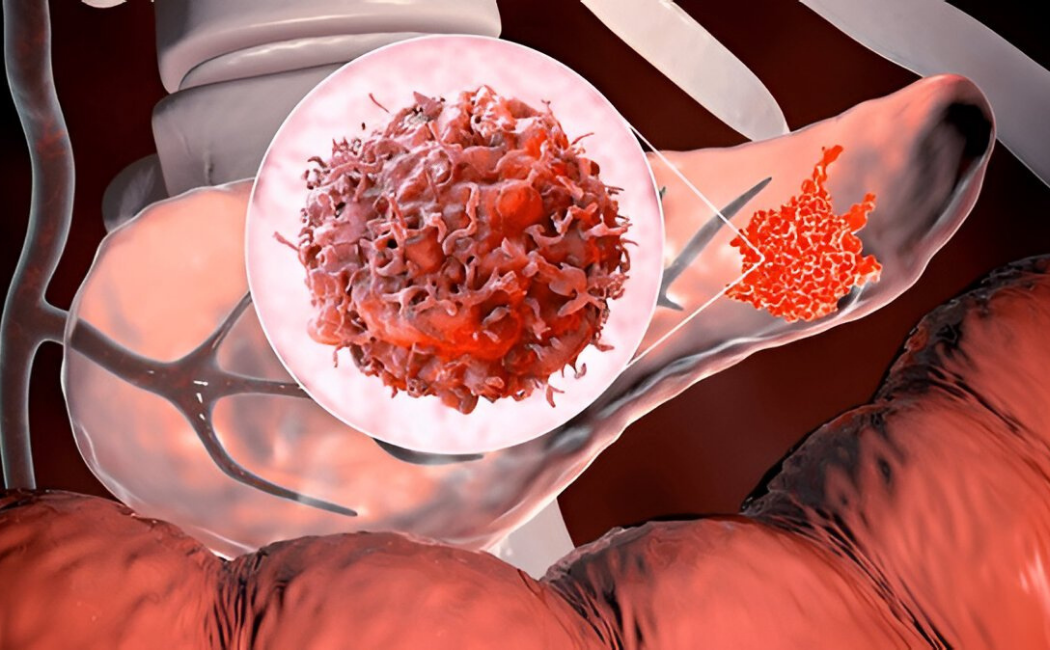
Stomach cancer begins with abnormal cells in the stomach.
Stomach cancer develops when abnormal cells in the stomach lining begin to grow uncontrollably. Over time, these cells can form a tumour and may spread into deeper layers of the stomach or to nearby lymph nodes and other organs.
Stomach cancer can develop in different areas of the stomach. Its symptoms and treatment approach can vary depending on where the cancer begins and how far it has progressed.
Early recognition and appropriate investigation are important because treatment options depend significantly on the stage of the disease.
Is persistent indigestion a sign of stomach cancer?
Persistent indigestion needs medical evaluation.
Indigestion does not automatically mean stomach cancer. It is commonly caused by conditions such as acid reflux, gastritis, ulcers, dietary habits, or other digestive disorders.
However, indigestion that continues despite appropriate measures, particularly when accompanied by other warning signs, should be assessed by a doctor.
Pay attention to symptoms such as:
- Persistent indigestion
- Feeling unusually full after eating
- Reduced appetite
- Persistent upper abdominal discomfort
- Unexplained weight loss
- Nausea or vomiting
- Difficulty swallowing
The presence of one symptom does not confirm cancer. Medical evaluation is needed to determine the underlying cause.
What are the early symptoms of stomach cancer?
Early symptoms can resemble common digestive problems.
Stomach cancer may not always produce obvious symptoms in its early stages.
Possible symptoms include:
Persistent Indigestion
Ongoing indigestion or discomfort after eating may require evaluation, especially if it is new or different from your usual symptoms.
Feeling Full Quickly
Feeling full after eating only a small amount of food may be associated with several digestive conditions and should be assessed if persistent.
Loss of Appetite
A noticeable reduction in appetite without an obvious explanation can sometimes accompany stomach disorders.
Unexplained Weight Loss
Losing weight without intentionally changing your diet or activity level should always be discussed with a doctor.
Nausea or Vomiting
Repeated nausea or vomiting may indicate an underlying gastrointestinal problem.
Upper Abdominal Discomfort
Persistent pain, pressure, or discomfort in the upper abdomen warrants medical attention when it does not settle.
What stomach symptoms should you never ignore?
Weight loss, bleeding, or swallowing difficulty need evaluation.
Certain symptoms deserve particular attention, especially when they persist or occur together.
These include:
- Unexplained weight loss
- Blood in vomit
- Black or bloody stools
- Persistent vomiting
- Difficulty swallowing
- Ongoing abdominal pain
- Significant loss of appetite
- Feeling full unusually quickly
- Persistent fatigue
These symptoms can occur with conditions other than cancer. However, they should not be self-treated for long periods without medical assessment.
Who is at higher risk of stomach cancer?
Age, infection, family history and lifestyle affect risk.
Several factors can increase the risk of stomach cancer.
H. pylori Infection
Long-term infection with Helicobacter pylori can cause chronic inflammation of the stomach lining and is associated with an increased risk of stomach cancer.
Family History
Having close family members with stomach cancer may increase an individual's risk.
Tobacco Use
Smoking and tobacco consumption can increase the risk of several cancers, including stomach cancer.
Diet
Regular consumption of highly salted, smoked, or preserved foods may contribute to stomach cancer risk.
Age
The risk of stomach cancer generally increases with age.
Previous Stomach Conditions
Certain long-term stomach conditions can increase the likelihood of abnormal changes developing in the stomach lining.
Having a risk factor does not mean that a person will definitely develop cancer. It simply means that appropriate medical advice and awareness may be particularly important.
When should you see a doctor for indigestion?
Indigestion that keeps returning deserves a closer look.
Occasional indigestion is common. However, it is important to seek medical advice when symptoms are persistent, worsening, or accompanied by other concerning changes.
Consider consulting a doctor if you have:
- Indigestion that does not improve
- Repeated abdominal discomfort
- Unexplained weight loss
- Persistent vomiting
- Difficulty swallowing
- Blood in vomit or stool
- Significant appetite loss
A doctor can determine whether the symptoms are related to acidity, gastritis, ulcer disease, or another condition requiring further investigation.
How is stomach cancer diagnosed?
Endoscopy and biopsy help confirm stomach cancer.
If your symptoms or medical history raise concerns, your doctor may recommend diagnostic investigations.
Upper GI Endoscopy
An endoscope is passed through the mouth to examine the lining of the food pipe, stomach and upper small intestine. It allows doctors to look for abnormal areas.
Biopsy
If an abnormal area is identified, a small tissue sample may be collected during endoscopy. Laboratory examination of this tissue can help confirm whether cancer cells are present.
CT Scan
CT imaging can help assess the tumour and determine whether there is involvement of nearby structures or other areas.
PET CT
In selected cases, PET CT may provide additional information about cancer activity and spread.
Blood Tests
Blood tests can help assess general health and may support treatment planning.
Why is early diagnosis important?
Early diagnosis can provide more treatment options.
The stage at which stomach cancer is diagnosed plays an important role in treatment planning.
When cancer is identified earlier, doctors may have more options for managing the disease. Depending on the cancer, treatment may involve surgery, chemotherapy, radiation therapy, targeted therapy, immunotherapy, or a combination of approaches.
Delayed diagnosis can allow cancer to progress and may make treatment more complex.
This is why persistent symptoms should be evaluated rather than repeatedly treated as simple indigestion without understanding their underlying cause.
What are the treatment options for stomach cancer?
Treatment depends on cancer stage and patient health.
There is no single treatment that is appropriate for every stomach cancer patient.
Treatment may include:
Surgery
Surgery may be considered when the tumour can be removed. Depending on its location and extent, surgeons may remove part or, in some cases, most or all of the stomach along with nearby lymph nodes.
Chemotherapy
Chemotherapy uses anti-cancer medicines to destroy cancer cells or slow their growth. It may be given before or after surgery or used to manage advanced disease.
Radiation Therapy
Radiation therapy uses high-energy radiation to target cancer cells and may be combined with other treatments in selected cases.
Targeted Therapy
Targeted medicines may be considered when the cancer has specific molecular or biological characteristics.
Immunotherapy
Some patients with particular tumour characteristics may be candidates for immunotherapy.
Treatment decisions are based on diagnostic findings, cancer stage, tumour characteristics and the patient's overall health.
How does a multidisciplinary team help?
Specialists work together to personalise cancer care.
Stomach cancer treatment can involve several areas of medical expertise.
A multidisciplinary team may include:
- Surgical oncologists
- Medical oncologists
- Radiation oncologists
- Radiologists
- Pathologists
- Nutrition specialists
- Supportive care professionals
Each specialist contributes information that helps the team develop a coordinated treatment plan.
At GEM Cancer Centre, multidisciplinary cancer care helps patients receive appropriate evaluation and treatment planning based on their individual diagnosis.
Can stomach cancer be prevented?
Healthy habits can help reduce some risk factors.
Not every case of stomach cancer can be prevented, but certain measures can support overall stomach health and potentially reduce risk.
These include:
- Avoiding tobacco
- Eating a balanced diet
- Including fresh fruits and vegetables
- Limiting heavily salted and preserved foods
- Maintaining a healthy weight
- Discussing persistent stomach symptoms with a doctor
- Testing and treating H. pylori when medically indicated
People with a strong family history or other risk factors should discuss their individual risk with a healthcare professional.
What happens after stomach cancer treatment?
Follow-up care monitors recovery and ongoing health.
Treatment is only one part of the cancer journey. After treatment, patients may need regular follow-up to monitor recovery and address any ongoing concerns.
Follow-up may involve:
- Medical consultations
- Physical examinations
- Imaging when required
- Nutritional guidance
- Monitoring treatment-related effects
Patients who undergo stomach surgery may also require dietary adjustments because changes to the stomach can affect eating and digestion.
FAQs
Can indigestion be an early sign of stomach cancer?
Persistent indigestion can occur with stomach cancer, but it is much more commonly caused by other digestive conditions. If indigestion continues or occurs with weight loss, vomiting, bleeding, or swallowing difficulty, medical evaluation is important.
What does stomach cancer pain feel like?
Stomach cancer may cause persistent discomfort or pain in the upper abdomen. However, the nature and severity of pain can vary and abdominal pain alone cannot confirm cancer.
Does stomach cancer cause weight loss?
Unexplained weight loss can occur with stomach cancer. It may be related to reduced appetite, early fullness, digestive problems, or effects of the disease. Unintentional weight loss should be medically evaluated.
Can H. pylori infection cause stomach cancer?
Long-term H. pylori infection can cause chronic inflammation in the stomach and is associated with an increased risk of stomach cancer. Testing and treatment can be discussed with a doctor when appropriate.
How is stomach cancer confirmed?
Stomach cancer is usually confirmed through a biopsy of abnormal stomach tissue. Endoscopy helps doctors identify suspicious areas and collect the tissue sample required for laboratory examination.
Is stomach cancer treatable?
Stomach cancer can be managed using different treatments depending on its stage and characteristics. Surgery, chemotherapy, radiation therapy, targeted therapy and immunotherapy may be considered in appropriate patients.
When should I see a doctor for indigestion?
Consult a doctor if indigestion is persistent, keeps returning, or is accompanied by unexplained weight loss, vomiting, bleeding, difficulty swallowing, or significant appetite changes.
Where can I seek care for Stomach Cancer in Coimbatore?
Patients looking for Stomach Cancer in Coimbatore can consult GEM Cancer Centre for specialist evaluation, diagnostic investigations, personalised treatment planning and ongoing cancer care.
Final Note
Persistent indigestion does not mean that you have stomach cancer. However, when digestive symptoms continue, change suddenly, or occur alongside warning signs such as unexplained weight loss, vomiting, bleeding, or difficulty swallowing, they deserve proper medical attention.
Recognising these changes early can help doctors identify the underlying cause and determine whether further investigation is necessary.
For patients seeking expert evaluation and Stomach Cancer in Coimbatore, GEM Cancer Centre provides comprehensive cancer care with specialist consultation, advanced diagnostics, personalised treatment planning and follow-up support.