


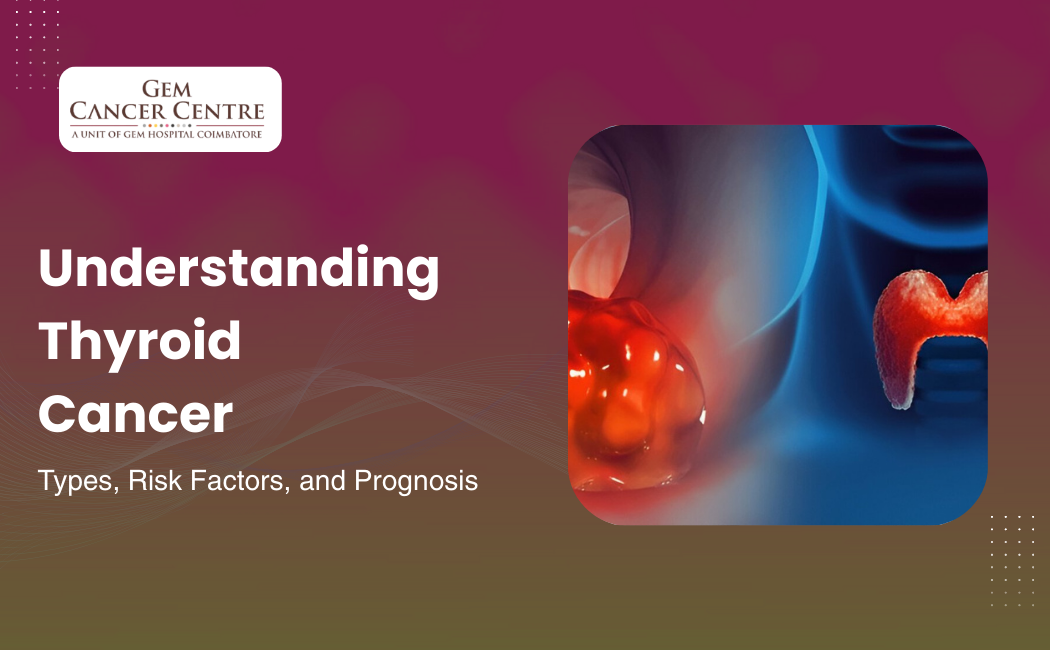
Understanding Thyroid Cancer: Types, Risk Factors, and Prognosis
Thyroid cancer is a condition in which abnormal cells begin to grow in the thyroid gland—a small, butterfly-shaped gland located at the front of the neck. The thyroid plays a vital role in regulating metabolism, heart rate, and body temperature through hormone production. While thyroid cancer is less common compared to other cancers, early diagnosis and modern treatment methods have led to highly favorable outcomes for many patients.
This blog explains the different types of thyroid cancer, key risk factors, and what patients can expect in terms of prognosis.
What Is Thyroid Cancer?
Thyroid cancer develops when cells in the thyroid gland grow uncontrollably and form a tumor. In many cases, thyroid cancer grows slowly and may not cause symptoms in its early stages. Regular checkups and timely imaging tests help detect the condition before it advances.
Types of Thyroid Cancer
Understanding the types of thyroid cancer is important because treatment and prognosis vary depending on the type.
Papillary Thyroid Cancer
This is the most common type of thyroid cancer. It usually grows slowly and often affects younger adults. With early detection, papillary thyroid cancer has an excellent treatment success rate.
Follicular Thyroid Cancer
Follicular thyroid cancer is slightly more aggressive than papillary cancer but is still highly treatable. It may spread to nearby organs if not diagnosed early.
Medullary Thyroid Cancer
This type originates from C cells of the thyroid and may be linked to genetic conditions. Early diagnosis and genetic screening play a key role in managing medullary thyroid cancer.
Anaplastic Thyroid Cancer
Anaplastic thyroid cancer is rare but aggressive. It typically affects older adults and requires immediate medical attention due to its rapid growth.
Risk Factors for Thyroid Cancer
Several thyroid cancer risk factors increase the likelihood of developing the disease:
- Exposure to radiation, especially during childhood
- Family history of thyroid disease or cancer
- Genetic mutations
- Iodine deficiency in diet
- Gender and age (more common in women and older adults)
Having one or more risk factors does not guarantee thyroid cancer, but awareness helps with early screening.
Symptoms of Thyroid Cancer
Early thyroid cancer may not show noticeable symptoms. As the disease progresses, symptoms may include:
- A lump or swelling in the neck
- Difficulty swallowing or breathing
- Persistent hoarseness
- Neck pain
- Enlarged lymph nodes

If any of these symptoms persist, medical evaluation is recommended.
Diagnosis of Thyroid Cancer
Accurate thyroid cancer diagnosis involves a combination of clinical evaluation and imaging tests such as:
- Ultrasound of the thyroid
- Fine needle aspiration biopsy (FNAC)
- CT or MRI scans
- PET-CT scans in advanced or recurrent cases
These tests help confirm the presence, type, and stage of thyroid cancer.
Prognosis of Thyroid Cancer
The prognosis of thyroid cancer is generally very positive, especially when detected early. Most patients respond well to treatment, and long-term survival rates are high for common types like papillary and follicular thyroid cancer.
Factors affecting prognosis include:
- Type of thyroid cancer
- Stage at diagnosis
- Age of the patient
- Response to treatment
With proper medical care, many patients lead normal, healthy lives after treatment.
Importance of Early Detection
Early detection plays a critical role in improving outcomes for thyroid cancer. Regular health checkups, awareness of symptoms, and timely imaging tests help identify the disease at a manageable stage, leading to better treatment success.
Thyroid cancer is a highly treatable condition when diagnosed early. Understanding its types, recognizing risk factors, and knowing what to expect in terms of prognosis empowers patients to make informed healthcare decisions. With advancements in diagnostic imaging and treatment, thyroid cancer outcomes continue to improve, offering hope and confidence to patients and their families.
Book your appointment today at GEM Cancer Centre to receive expert-led, compassionate cancer care with advanced treatment options.
Take the first step toward personalized oncology care—your health is our priority.

 Call Now

