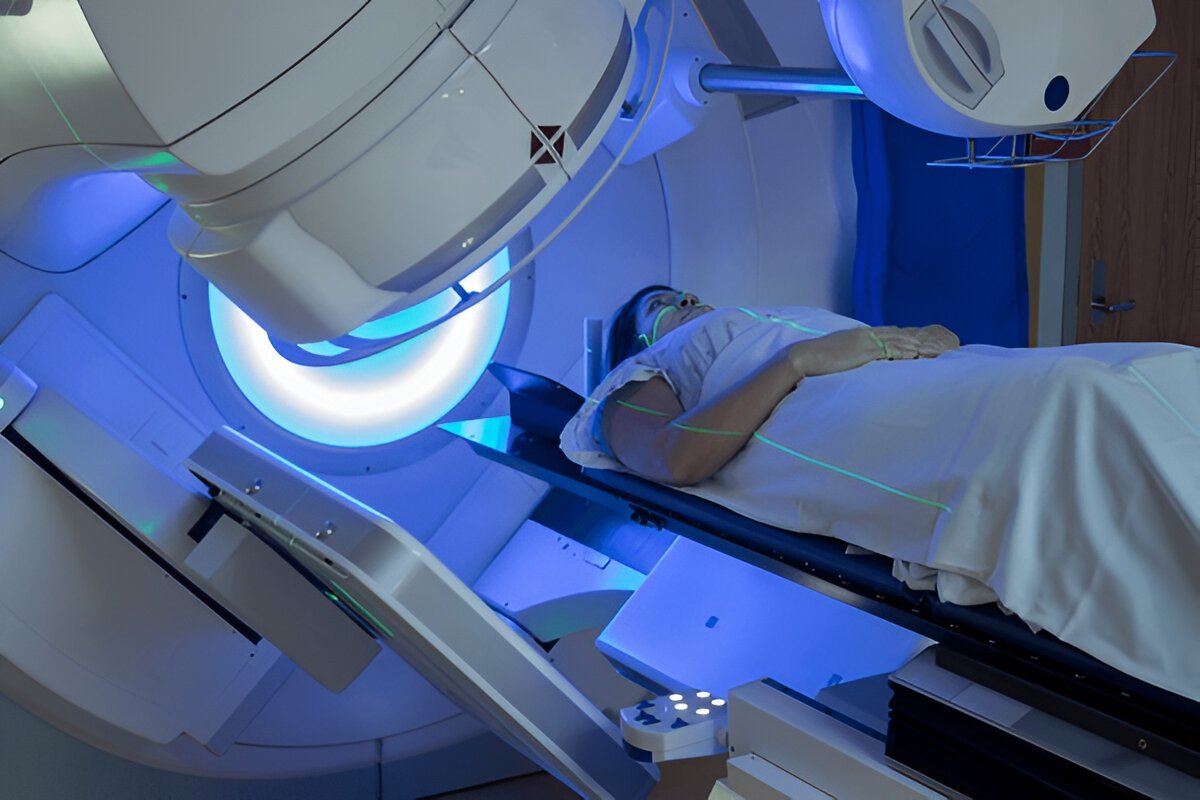
Radiation therapy is a standard and efficient cancer treatment utilizing powerful rays or particles to eliminate cancer cells. It functions by damaging the DNA within cancer cells, thus halting their growth and replication. Radiation can be utilized independently or concurrently with other therapies such as surgery and chemotherapy, depending on the cancer type and stage.
There are two primary types of radiation therapy: external beam radiation, which delivers radiation from outside the body, and internal radiation (brachytherapy), involving the placement of radioactive material within the body near the cancer. The therapy is meticulously planned to focus on cancer while minimizing damage to nearby healthy tissue.
Radiation therapy is employed in treating numerous cancers, including those of the breast, prostate, brain, lung, and head and neck. It can also help shrink tumors prior to surgery or alleviate symptoms in advanced cancer scenarios. Side effects differ based on the treatment area, but commonly encompass fatigue, skin irritation, and temporary discomfort.




 Call Now

