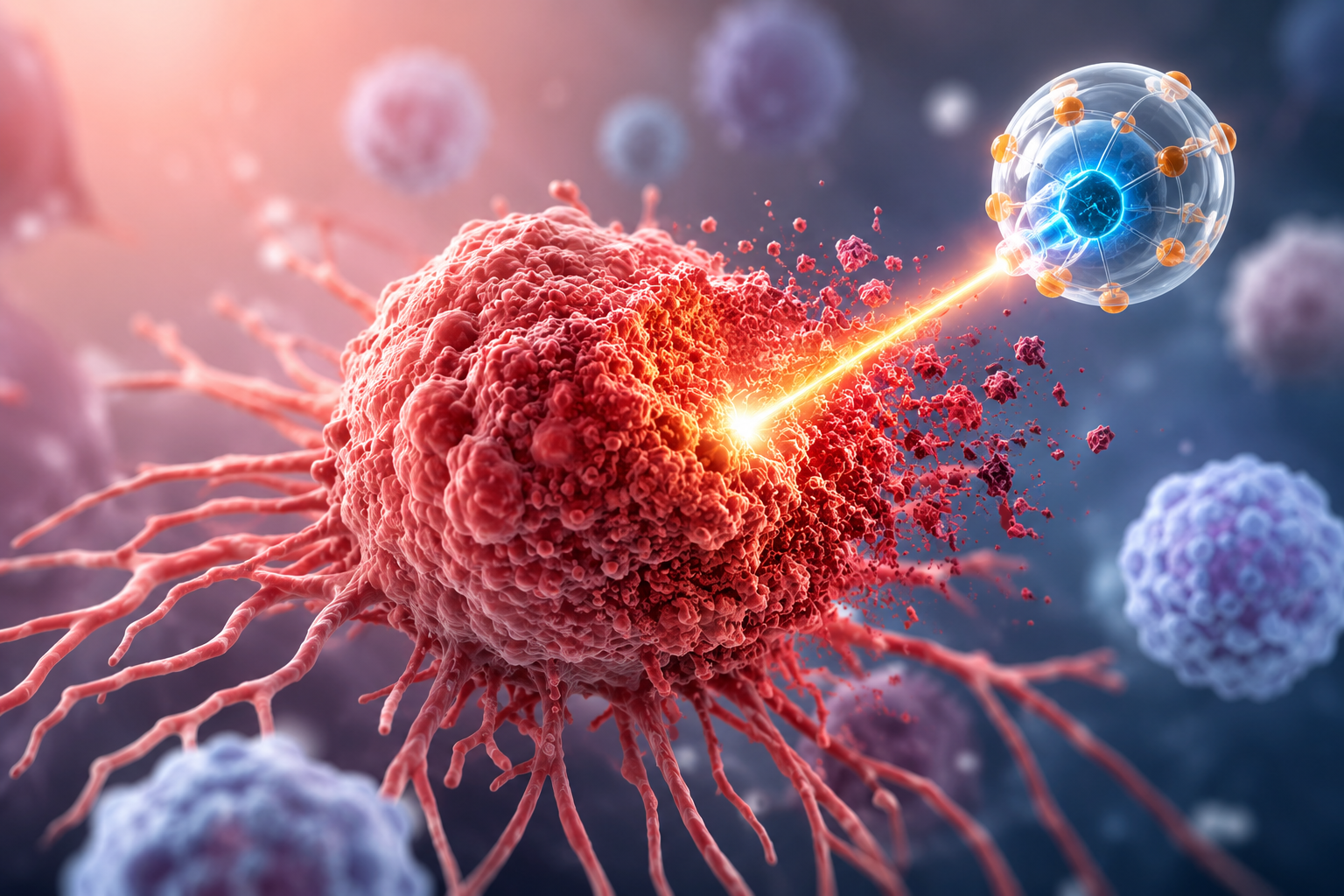
Targeted Therapy is an advanced form of cancer treatment that uses drugs designed to specifically target cancer cells based on their genetic or molecular characteristics. Unlike traditional treatments, it focuses only on cancer cells while minimizing damage to healthy tissues.
Targeted therapy is recommended for patients whose cancer shows specific genetic mutations or biological markers. It is commonly used in breast cancer, lung cancer, colorectal cancer, blood cancers, and other advanced or recurrent cancers. At Our Cancer Centre, we provide advanced Targeted Therapy in Coimbatore as part of Advanced Cancer Treatment in Coimbatore, guided by the Best Cancer Doctor in Coimbatore.
Targeted therapy is usually administered as oral medication (tablets or capsules) or intravenous (IV) infusion depending on the type of cancer and treatment protocol.
Before starting treatment, detailed diagnostic tests such as biopsy, molecular testing, and sometimes PET CT Scan in Coimbatore are used to identify specific targets in cancer cells. Based on these results, our oncology team designs a precise and personalized treatment plan.
Our oncologists evaluate genetic and molecular test reports to determine eligibility for targeted therapy.
A customized therapy plan is created based on cancer type, mutation profile, and overall health condition.
Patients receive oral or IV targeted drugs under medical supervision in a controlled clinical environment.
Regular monitoring is done to assess treatment response and manage any side effects effectively.
Our Cancer Centre is a trusted Cancer Hospital in Coimbatore offering advanced targeted therapy with precision diagnostics, molecular testing, and personalized cancer treatment plans.
Our integrated oncology team combines Medical Oncology, Clinical Oncology, and advanced diagnostic tools like PET CT Scan in Coimbatore to deliver highly accurate and effective cancer care under the supervision of the Best Cancer Doctor in Coimbatore.